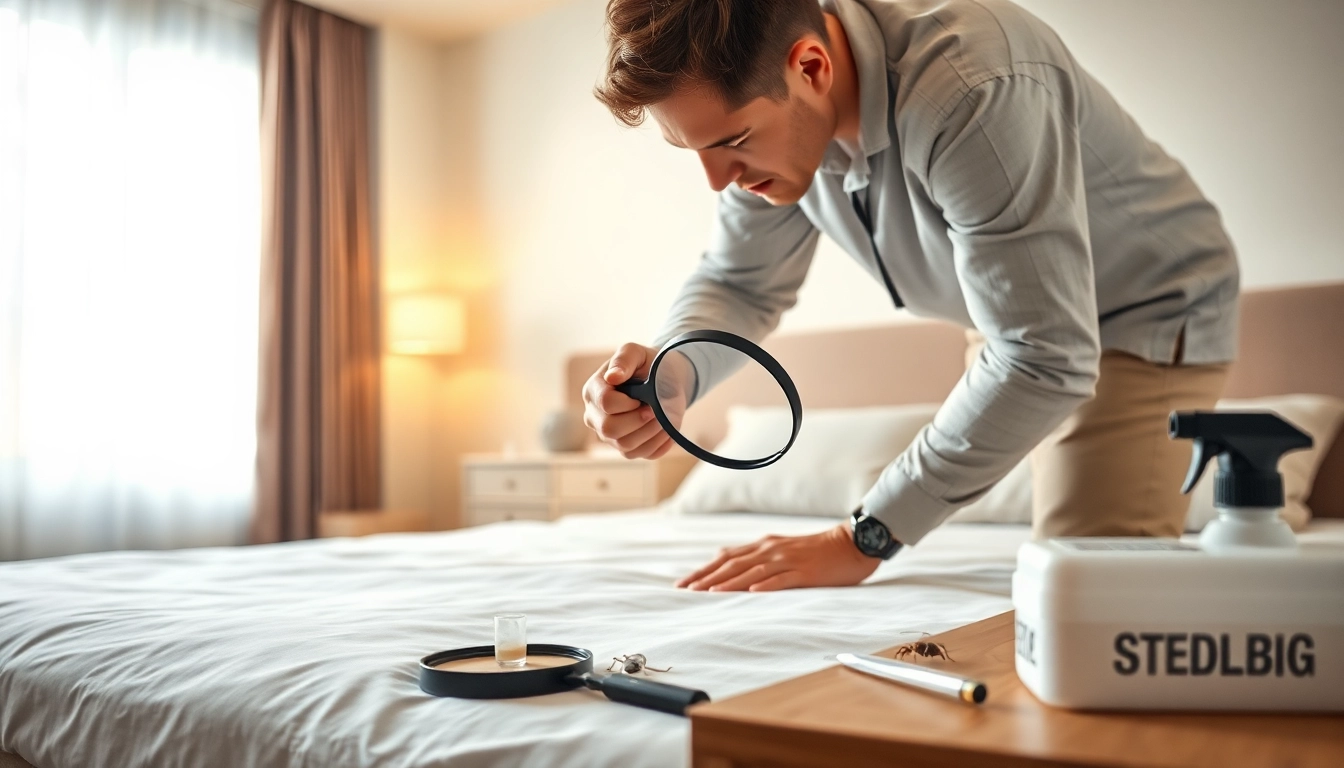
Understanding Bed Bugs
What Are Bed Bugs?
Bed bugs are small, nocturnal insects that belong to the Cimex genus. These pests feed on the blood of humans and animals, thriving in environments where they can easily access their host. Adult bed bugs are about the size of an apple seed, typically measuring 4 to 5 millimeters in length, and possess flat, oval bodies that allow them to hide in tight spaces. Their color ranges from a reddish-brown to a lighter tan, depending on their feeding state. As their name implies, bed bugs often inhabit sleeping areas, such as beds, couches, and other furniture.
Common Signs of Infestation
Detecting a bed bug infestation early can significantly improve the chances of effective extermination. Common signs include:
- Rusty or reddish stains: Often found on bed linens or walls, these are the result of crushed bed bugs.
- Dark spots: Excrement from bed bugs appears as small, dark specks on fabric or surfaces.
- Eggs and eggshells: Tiny, pearly white eggs and discarded shells are indicators of active infestations.
- Live bed bugs: Finding bed bugs during the day means they’re present in your environment, as they typically emerge at night.
How Bed Bugs Spread
Bed bugs are surprisingly adept at traveling. Here’s how they typically spread:
- Traveling: Bed bugs are infamous hitchhikers, clinging to luggage, clothing, and personal belongings.
- Shared Spaces: Dormitories, hotels, and public transport make it easy for bed bugs to move from one host to another.
- Second-Hand Furniture: Purchasing or acquiring used furniture, particularly beds and couches, can introduce bed bugs into your home.
The Role of a Bed Bug Exterminator
Why Hire a Bed Bug Exterminator?
Dealing with a bed bug infestation can be an overwhelming process, which is where a bed bug exterminator comes in. Professional exterminators possess the necessary expertise to identify infestations quickly and implement effective treatment strategies. Here’s why hiring a professional is beneficial:
- Access to specialized tools and technology not available to the general public.
- Knowledge of the latest best practices in bed bug extermination.
- Comprehensive follow-up services to ensure the problem is resolved.
Services Offered by Bed Bug Exterminators
Bed bug exterminators typically provide a range of services tailored to address infestations effectively. Common offerings include:
- Inspections: Thorough examinations to identify the presence and extent of bed bug infestations.
- Treatment Plans: Customized strategies depending on the severity of the infestation.
- Follow-Up Visits: Routine checks following treatment to ensure complete eradication.
- Preventative Advice: Guidance on how to avoid future infestations.
Choosing the Right Exterminator
Selecting a suitable bed bug exterminator is crucial for effective pest control. Here are some considerations:
- Experience and Expertise: Look for companies with a proven track record in bed bug extermination.
- Reviews and Ratings: Read customer feedback to gauge the effectiveness and reliability of their services.
- Methods Used: Inquire about their extermination techniques, including whether they use heat treatment, chemical treatments, or integrated approaches.
- Guarantees: A reputable exterminator should provide warranties for their services.
Methods Used by Bed Bug Exterminators
Heat Treatment vs. Chemical Treatments
Exterminators employ various methods to eliminate bed bugs, the most common being heat treatments and chemical treatments:
- Heat Treatment: This involves raising the temperature in a room to a level lethal to bed bugs (typically 120°F to 140°F). Heat effectively penetrates furniture and fabrics, ensuring all life stages, including eggs, are killed.
- Chemical Treatments: Pesticides specifically designed to target bed bugs can also be used. Exterminators select the appropriate chemicals based on regulation standards and environmental safety. These treatments usually require multiple applications.
Integrated Pest Management
Integrated Pest Management (IPM) is a holistic approach that combines multiple strategies for effective bed bug control. This method includes:
- Prevention: Assessing and modifying habits to reduce the risk of infestations.
- Inspection: Regular checks to catch problems early.
- Treatment: Using a combination of heat, chemical solutions, and other methods to eradicate bed bugs.
Preparing for Treatment
Proper preparation is essential for successful bed bug extermination. Homeowners should follow these steps:
- Declutter: Remove items from the infested areas to allow easy access for the exterminator.
- Launder Fabrics: Washing bedding and clothing in hot water can kill bed bugs prior to treatment.
- Notify Neighbors: Informing adjacent units can help contain the infestation.
Cost of Bed Bug Extermination
Average Extermination Costs
The cost of bed bug extermination varies depending on several factors. On average, homeowners can expect to pay between $1,000 and $2,500 for full treatment in a typical home. Factors like the size of the home, severity of the infestation, and chosen extermination method can influence pricing.
Factors Affecting the Price
When considering bed bug extermination costs, various elements come into play:
- Extent of Infestation: Heavier infestations typically require more intensive treatments, raising the cost.
- Property Size: Larger spaces generally present a higher cost due to increased treatment time and materials.
- Location: Prices may vary based on geographical factors and demographics.
Preventive Measures to Reduce Costs
Investing in preventative measures can help mitigate the risk of costly extermination in the future. Effective strategies include:
- Regular Inspections: Early detection can prevent significant infestations.
- Laundering Fabrics: Regularly washing bedding and clothing can help eliminate the chance of bed bugs.
- Travel Precautions: Inspecting hotel rooms and luggage can help avoid bringing bed bugs home.
FAQs About Bed Bug Extermination
How long does it take to exterminate bed bugs completely?
The timeline varies depending on the extent of the infestation. Generally, effective eradication takes between one week to several weeks post-treatment, with follow-ups required to ensure complete removal.
Are bed bug extermination methods safe for children and pets?
Most professional exterminators use treatments that are safe when applied by licensed professionals. They will provide guidance on safety measures for children and pets during and after treatment.
What should I do after the extermination treatment?
After treatment, it’s crucial to follow the exterminator’s advice, which may include keeping certain areas sealed or maintaining specific cleanliness to avoid re-infestation.
How can I prevent future bed bug infestations?
Preventative measures include regular inspections, washing bed linens in hot water, sealing cracks, and being cautious with used furniture and when traveling.
What are common myths about bed bugs?
Common myths include that bed bugs are associated with dirt, they only infest poor households, or that they can fly. In reality, bed bugs can infest even the cleanest of environments and do not fly.