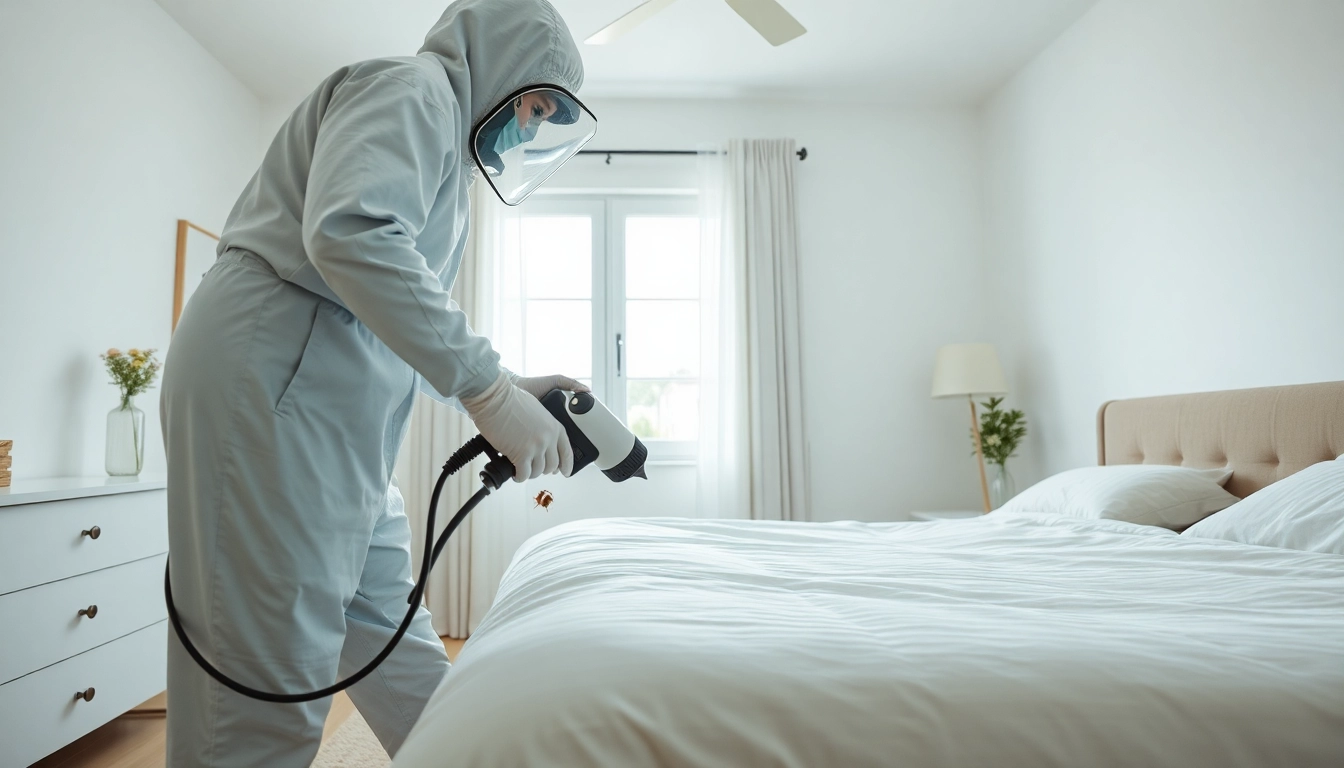
Understanding Bed Bug Infestations
What Are Bed Bugs?
Bed bugs, scientifically known as Cimex lectularius, are small, reddish-brown insects that feed on the blood of humans and animals. These pests are approximately 1/4 inch long, with a flattened, oval-shaped body that allows them to hide easily in cracks and crevices. Typically active at night, bed bugs are not known to transmit diseases, but their bites can result in itchy welts and allergic reactions, leading to significant discomfort.
Life Cycle of Bed Bugs
Understanding the life cycle of bed bugs is crucial for effective extermination. They undergo a series of life stages: egg, nymph, and adult. A single female can lay up to 500 eggs in her lifetime, with each egg hatching into a nymph after about 6 to 10 days. Nymphs go through five molts before reaching maturity, a process that can take anywhere from 4 to 6 weeks, depending on temperature and food availability. This reproductive capacity makes controlling infestations challenging.
Signs of Infestation
Detecting bed bug infestations early is key to effective treatment. Common signs include:
- Bites: Red, itchy welts on exposed skin are often the first indication of a bed bug problem.
- Exoskeletons: As bed bugs grow, they shed their skins, which may be found in hiding spots.
- Fecal Stains: Small, dark spots (excrement) can appear on mattresses, bedding, or nearby surfaces.
- Odor: A musty smell can indicate a severe infestation due to bed bug secretions.
Why Hire Bed Bug Exterminators?
Professional Expertise
When dealing with a bed bug infestation, enlisting the help of experienced bed bug exterminators can significantly increase the likelihood of successful eradication. Exterminators are trained to identify the extent of the infestation and can tailor treatment plans to suit specific conditions. Their expertise allows them to recognize the various hiding spots of bed bugs that homeowners often overlook, thereby ensuring a comprehensive approach to treatment.
Advanced Techniques
Bed bug exterminators employ a range of advanced techniques including heat treatment, chemical applications, and integrated pest management to effectively eliminate bed bugs. Heat treatment involves raising the temperature of infested areas to a level lethal for bed bugs and their eggs, often achieving complete eradication within a single session. Chemical treatments, when used appropriately, target active infestations and provide residual protection. Integrated pest management combines various strategies for long-term control and prevention, ensuring that bed bugs do not return.
Cost-Effectiveness of Professional Services
Many homeowners underestimate the cost-effectiveness of professional bed bug extermination. DIY treatments often lead to partial success and prolonged infestations, which can result in higher expenses in the long run. Professional exterminators can provide guarantees for their services, potentially saving money on repeated pest control attempts. By addressing the problem quickly and effectively, professional services can help restore comfort and peace of mind to your home.
Preparing for Bed Bug Extermination
What to Expect Before Treatment
Preparation is a critical component of successful bed bug extermination. Homeowners can expect an initial assessment where exterminators will inspect the premises to determine the severity of the infestation. This assessment helps in developing a customized treatment plan. During this stage, exterminators may also provide guidance on what to do with your belongings and which areas will need special attention during treatment.
Essential Preparatory Steps
Before extermination, it is vital to follow specific preparatory steps to enhance effectiveness:
- Declutter the Area: Remove unnecessary items around the house to make extermination easier.
- Wash Bedding: Launder all bedding and clothes in hot water to eliminate any bed bugs or eggs.
- Vacuum: Thoroughly vacuum carpets, floors, and furniture to reduce the number of bed bugs present.
- Move Furniture: Move beds and furniture away from walls to allow for comprehensive treatment with appropriate tools.
Post-Treatment Instructions
After treatment, following the exterminator’s post-treatment guidelines is essential to prevent re-infestation. This may include avoiding vacuuming for a specific period to allow chemicals to work effectively or implementing bed bug monitors. Proper ongoing monitoring can help identify any potential resurgence of bed bugs early, thereby making control easier and more effective.
Choosing The Right Bed Bug Exterminators
What to Look For
Finding the right bed bug exterminators involves several considerations:
- Experience: Look for exterminators with a proven track record in treating bed bug infestations.
- Licensure: Ensure that the company is licensed and follows local regulations regarding pest control.
- Methods Used: Inquire about the techniques they employ and whether they offer eco-friendly options.
Common Misconceptions
Many misconceptions surround bed bug infestations and their treatments. One common belief is that bed bugs only exist in dirty environments; however, they can thrive in any setting with adequate hiding spots and access to a blood meal. Additionally, some people think that DIY treatments are equally effective. In reality, professional extermination provides a level of thoroughness that is difficult to achieve without specific expertise and equipment.
Customer Reviews and References
Reading customer reviews and seeking references when choosing exterminators is invaluable. Satisfied customers often highlight the professionalism, effectiveness, and reliability of the service. An exterminator with positive reviews demonstrates a commitment to quality and customer satisfaction, which can lead to a successful resolution of your bed bug issues.
FAQs About Bed Bug Extermination
How Long Does Extermination Take?
The duration of bed bug extermination depends on the method used and the severity of the infestation. Heat treatments may take a few hours, while chemical treatments could require multiple sessions over several weeks for complete eradication.
Is the Treatment Safe for My Family?
Yes, professional exterminators use safe methods that comply with regulations to protect both your family and the environment. Always ask about safety measures when scheduling a treatment.
What Should I Do After Treatment?
Follow the exterminator’s instructions carefully, which may include not vacuuming for a specified time, washing bedding again, and monitoring for any new signs of bed bugs.
How Often Should I Schedule Inspections?
Regular inspections, at least once a year, are recommended to prevent re-infestation and quickly identify any new problems. Increased inspections may be necessary after travel or if any signs of bed bugs are noted.
What are the Costs Associated with Extermination?
The cost of bed bug extermination can vary based on the extent of the infestation and the methods employed. Generally, prices can range from hundreds to thousands of dollars, but it’s essential to view this as an investment in the comfort and safety of your home.