Understanding Precision Plate Cutting
Definition and Significance
Precision plate cutting refers to the process of cutting metal plates with accuracy and exactness, utilizing various techniques to achieve desired specifications in thickness and dimensions. The significance of precision plate cutting cannot be overstated, as it is essential across multiple industries, ensuring structural integrity and fulfilling project requirements. The ability to accurately cut materials impacts both the efficiency and quality of the final product, making precision in this process critical.
Common Applications
Precision plate cutting is utilized in a myriad of applications. Some of the most common include:
- Manufacturing of components for the automotive industry, ensuring safety and performance features are met.
- Construction projects that require precise structural steel fabrication.
- Aerospace applications, where accuracy in part dimensions can significantly affect flight safety.
- Custom art installations where intricate design details are paramount.
- Industrial machinery and equipment parts that require dimensional conformity for operational efficiency.
Different Methods of Precision Plate Cutting
There are various methods employed for precision plate cutting, each with its unique advantages and specific applications:
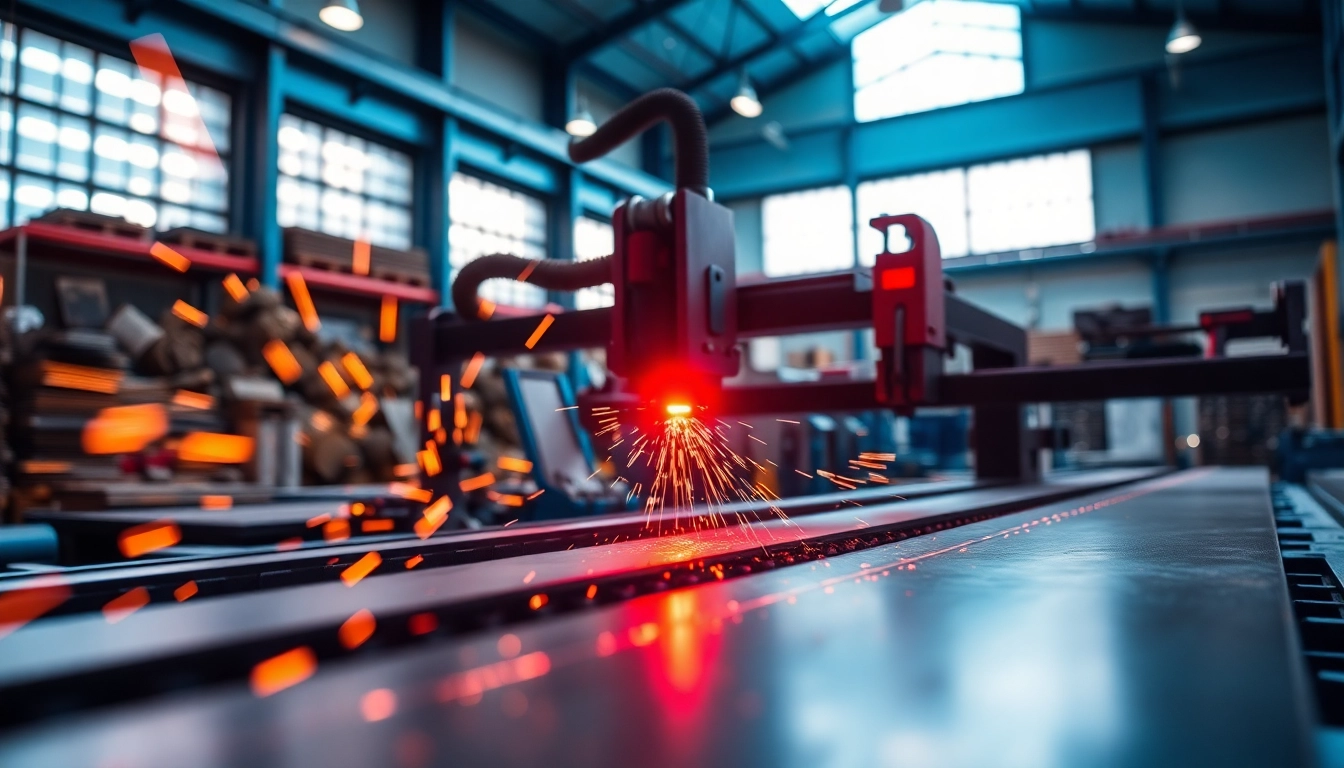
- Laser Cutting: Utilizes concentrated laser beams to cut through materials with minimal kerf. Known for its precision and ability to cut intricate shapes.
- Waterjet Cutting: Uses high-pressure water jet streams, often mixed with abrasives, to cut through a range of materials without inducing heat.
- CNC Plasma Cutting: Employs a plasma torch design; ideal for cutting thicker plates efficiently. This method is often preferred for faster operations with less intricate specifications.
- Oxy-Fuel Cutting: Involves burning materials with a flame produced from a gas and oxygen mixture. This method is cost-effective and suitable for thicker metal sheet cutting.
- Band Saw Cutting: Utilizes a long blade with teeth along one edge, ideal for cutting metals into required shapes and sizes while ensuring a smooth finish.
Techniques for Precision Plate Cutting
Laser Cutting Advantages
Laser cutting is recognized for its remarkable precision and versatility. Its advantages include:
- High Precision: Laser cutting can achieve tolerances of ±0.1 mm consistently, making it ideal for intricate designs.
- Minimal Heat Affected Zone (HAZ): Less thermal distortion occurs, preserving the integrity of the material.
- Speed: Faster cutting speeds compared to traditional methods enhance manufacturing productivity.
- Reduced Waste: The narrow kerf width allows for more efficient material usage, minimizing scrap generation.
Waterjet Cutting Overview
Waterjet cutting provides several benefits, particularly in applications where the heat can adversely affect material properties. Key aspects include:
- Eco-Friendly Process: As it primarily uses water, it generates minimal waste and avoids harmful emissions.
- Versatility: Capable of cutting a wide variety of materials, including metals, glass, ceramics, and even composites.
- No Heat Affected Zone: The process does not introduce heat, eliminating warping or structural changes in the material.
- Intricate Designs: Waterjets can produce complex shapes and designs with high accuracy, making them suitable for artistic applications.
CNC Machine Operations
CNC (Computer Numerical Control) operations utilize advanced computer software to control cutting tools. Benefits of CNC machining include:
- Automation: Reduces human error and increases cutting speed and precision, optimizing production cycles.
- Repeatability: Consistent results over multiple production runs, essential for large-scale manufacturing projects.
- Complex Geometry Capability: CNC machines can easily cut complex shapes that would be challenging by manual methods.
- Integrated Design Software: CAD/CAM integration allows for seamless transitions from design to production.
Factors Influencing Precision Plate Cutting Quality
Material Selection Basics
Choosing the right material is a crucial first step in achieving high-quality precision plate cutting results. Factors to consider include:
- Thickness: The thickness of the material can affect the choice of cutting method and the achievable precision.
- Material Type: Different metals, such as stainless steel, aluminum, or mild steel, require specific techniques for optimal cutting.
- Surface Finish: The initial surface condition of the material can impact the quality and smoothness of the cut edges.
Importance of Machine Calibration
Machine calibration is essential for precision in cutting operations. Proper calibration improves:
- Cutting Accuracy: Ensures that the cutting tool maintains the correct positions and angles throughout the operation.
- Consistent Quality: Regular calibration minimizes discrepancies in cutting, leading to uniform product quality.
- Machine Longevity: Well-calibrated machines experience less wear and extend operational life, reducing maintenance costs.
Environmental Considerations
Various environmental factors can impact the quality of precision plate cutting significantly:
- Ambient Temperature: Extreme temperatures can affect material properties and cutting efficiency.
- Humidity Levels: High humidity can interact with some cutting processes, potentially leading to unwanted reactions or corrosion.
- Air Quality: Dust and contaminants can interfere with cutting performance and adherence to parts during finishing processes.
Cost Factors in Precision Plate Cutting
Analyzing Material Costs
The cost of materials must be a critical consideration in precision plate cutting. Factors affecting costs include:
- Material Type: Different metals vary widely in price and availability; for instance, stainless steel may have higher material costs than aluminum.
- Thickness: Thicker plates often come with increased costs due to the more complex cutting processes involved.
- Quantities Ordered: Bulk purchasing often results in discounts, affecting overall material acquisition costs.
Machine Operation Costs
Operational costs significantly impact the overall economics of precision plate cutting. Key considerations include:
- Energy Consumption: Different machines have varying power requirements, which can affect operating expenses.
- Maintenance: Regular maintenance ensures operational efficiency but adds to the cost structure.
- Downtime: Minimizing machine downtime is crucial; operational disruptions can lead to lost revenue and increased costs.
Labor and Time Considerations
Labor costs are substantial in precision plate cutting, influenced by several factors:
- Skill Level: Fewer skilled workers available can drive up labor costs due to increased wages.
- Process Efficiency: Streamlined operations reduce the time taken for each job, increasing profitability.
- Training Programs: Investing in training ensures workers are proficient in new cutting technologies, improving overall quality.
FAQs About Precision Plate Cutting
What are the best techniques for precision cutting?
Laser cutting and waterjet cutting are often preferred for their precision, speed, and versatility, fitting various material specifications.
What thickness can precision plate cutting handle?
Precision plate cutting can manage varying thicknesses; laser cutting typically handles up to 20 mm, while CNC methods accommodate thicker materials based on machinery capabilities.
Is laser cutting more cost-effective than plasma cutting?
While laser cutting can be more expensive initially, its precision and edge quality often lead to lower post-processing costs, making it more cost-effective overall.
What factors affect the quality of precision plate cutting?
Material type, machine calibration, cutting speed, and environmental conditions, such as temperature and humidity, significantly influence cutting quality.
How do maintenance practices impact precision plate cutting?
Regular maintenance optimizes machine performance, increases accuracy, decreases downtime, and reduces the likelihood of production errors.
Contact Information
Call Us: 780-955-3999
Email: [email protected]
Address: 1204 8 St, Nisku, AB T9E 7M1