Understanding Sliding Shower Doors
What are Sliding Shower Doors?
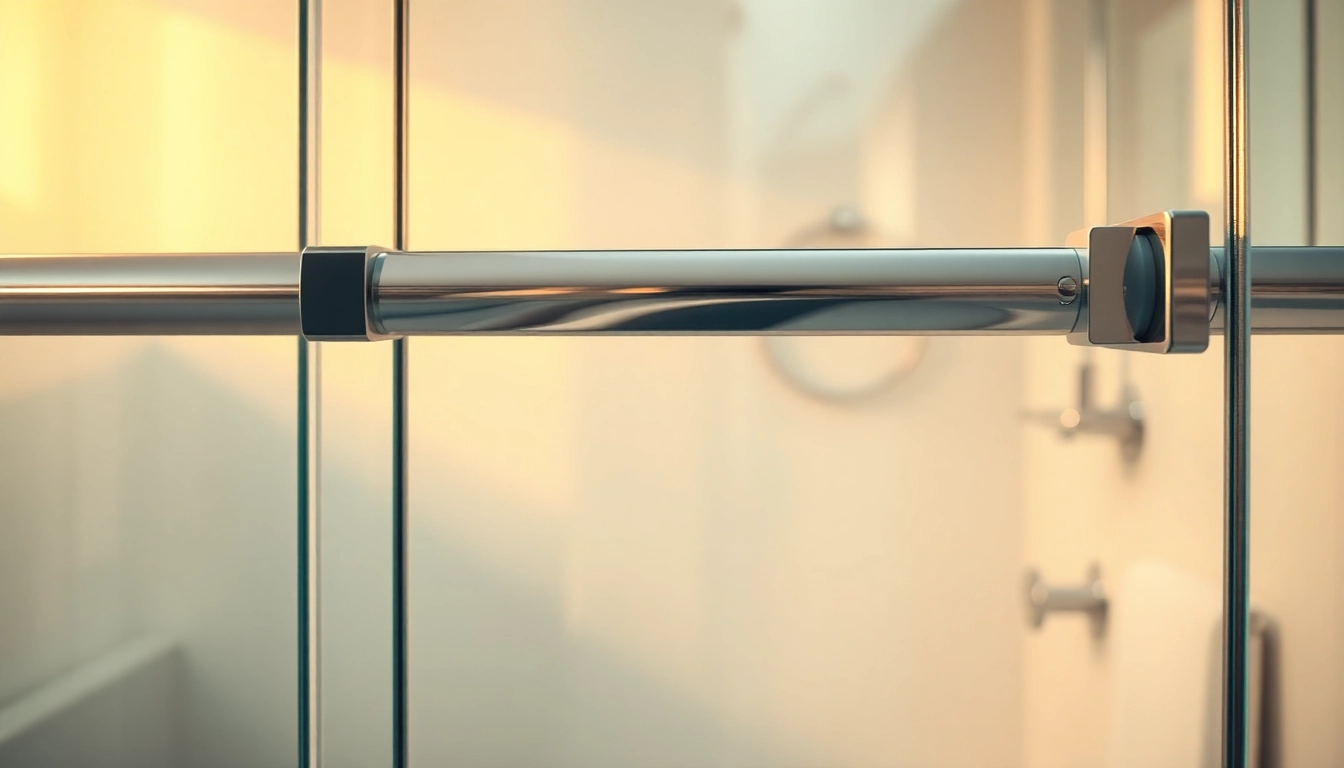
Sliding shower doors are a practical and stylish choice for modern bathrooms, featuring panels that glide open and closed along a track. Unlike traditional hinged doors, which require more space to swing open, sliding doors operate in a linear motion, maximizing available area. This design not only enhances accessibility but also offers a sleek aesthetic that complements a variety of interior styles. Typically made from either glass or acrylic, sliding shower doors provide a functional solution for both small and large bathrooms while maintaining an open and airy feel.
Benefits of Sliding Shower Doors
Choosing sliding shower doors comes with numerous advantages:
- Space-Saving Design: Ideal for compact bathrooms, sliding doors don’t require additional space to swing open.
- Easy Access: The smooth sliding mechanism allows for convenient entry and exit, especially for individuals with mobility concerns.
- Modern Aesthetic: Sliding doors offer a contemporary look, often enhancing the elegance of the bathroom.
- Variety of Materials: Available in various materials, such as tempered glass or acrylic, which cater to different budgets and preferences.
- Customizable Options: Options for design, including frameless styles or different finishes, allow homeowners to personalize their bathrooms.
Types of Sliding Shower Doors
When selecting sliding shower doors, understanding the different types can help narrow down your choices:
- Framed Sliding Doors: These feature a metal frame that surrounds the glass panels, providing added support and a traditional appearance.
- Frameless Sliding Doors: Offering a sleek, modern look with minimal hardware, frameless designs create a seamless shower experience.
- Bifold Sliding Doors: These doors fold inwards, which is a great option for tight spaces where a standard sliding door might not fit.
- Inline Sliding Doors: Ideal for straightforward design, these consist of two or more panels that slide along a rail.
- Curved Sliding Doors: These unique doors are designed for curved shower enclosures, providing an elegant solution for non-traditional spaces.
Choosing the Right Sliding Shower Doors
Measurement Essentials
Correct measurements are crucial when selecting sliding shower doors. To ensure a perfect fit:
- Measure the Width: Measure across the opening where the doors will be installed, noting the distance from one wall to the other.
- Measure the Height: Measure from the top of the shower threshold to the ceiling or the top of the opening.
- Account for Track Space: Deduct space for installation tracks; ensure enough clearance for smooth operation.
- Check for Obstacles: Ensure there are no fixtures or obstacles that can interfere with the door’s movement, such as towel bars.
Material Options
Selecting the right material for sliding shower doors can greatly impact durability, maintenance, and aesthetics:
- Tempered Glass: Known for its strength and resistance to thermal shock, tempered glass is a popular choice, providing both safety and style.
- Acrylic: Lightweight and affordable, acrylic doors are easier to maintain, although they may scratch more easily than glass.
- Polycarbonate: Offering high impact resistance, polycarbonate is a great alternative for households with children or pets.
- Stainless Steel: Often used for the door handles and tracks, stainless steel ensures longevity and aesthetic appeal.
Style Considerations
Choosing a style for sliding shower doors depends largely on the overall bathroom design:
- Contemporary Styles: Sleek lines and minimal hardware are perfect for modern spaces.
- Traditional Looks: Framed designs with ornate details work best for classic decor themes.
- Coastal Aesthetics: Light, airy designs with frosted or textured glass can evoke a beachy vibe.
- Industrial Touches: Black frames or mixed materials can add a trendy edge, ideal for urban settings.
Installation Process for Sliding Shower Doors
Preparation and Tools Needed
Installing sliding shower doors can be a straightforward project with the right preparation and tools. Here’s what you will need:
- Tools: A drill, level, measuring tape, caulking gun, screwdriver, and safety glasses.
- Materials: The sliding door kit, mounting brackets, screws, track, sealant, and, if applicable, a wall panel seal.
Before starting, ensure the shower area is clean and dry to create a solid foundation for installation.
Step-by-Step Installation Guide
Follow these steps for a successful installation:
- Prepare the Area: Ensure the shower walls and floor are clean and dry, avoiding any debris.
- Install the Track: Measure and mark where the track will be placed. Using a level ensures it is straight. Drill pilot holes and secure the track with screws.
- Attach Panels: Install the top roller brackets on the glass panels, then lift the panels into the track. Ensure they slide freely.
- Install the Bottom Guides: Secure bottom guides along the track to keep the doors aligned.
- Add Seals: Caulk around the edges where the doors meet the walls, and place seals at the bottom for waterproofing.
- Final Adjustments: Adjust the rollers if necessary to ensure easy sliding.
Common Installation Mistakes
Being aware of common pitfalls in the installation process can save time and frustration:
- Poor Measurements: Inaccurate measurements can lead to ill-fitting doors. Double-check all measurements before cutting or installing.
- Skipping Sealant: Failing to seal around the edges can lead to leaks, causing water damage over time.
- Improper Track Installation: A misaligned track can impede door movement. Always use a level to ensure proper alignment.
- Neglecting Cleaning: Dirt or debris on the track can cause doors to stick. Regular cleaning is essential.
Maintenance for Sliding Shower Doors
Cleaning Tips
Maintaining the appearance and functionality of sliding shower doors requires regular cleaning:
- Use a mixture of vinegar and water to clean glass doors, which effectively removes soap scum and hard water stains.
- For acrylic shower doors, opt for a gentle cleaner that won’t scratch the surface, avoiding harsh chemicals.
- Wipe down the tracks with a damp cloth to remove any accumulated grime.
- Regularly check and clean roller wheels to keep doors gliding smoothly.
Preventing Mold and Mildew
To prevent mold and mildew from developing around sliding shower doors, you can:
- Ensure proper ventilation by using an exhaust fan during and after showers.
- Wipe down the doors after each use to minimize moisture accumulation.
- Use a squeegee to remove excess water from glass, helping to prevent mildew.
- Regularly inspect the seals for wear and tear, replacing them as needed.
Repairing Common Issues
Occasionally, sliding shower doors may face some common issues. Here are quick fixes:
- Doors Not Sliding Smoothly: Clean the tracks and lubricate the rollers if they start to stick.
- Water Leaks: Check and replace worn seals to prevent leaks; ensure caulk is intact.
- Cracked Panels: If glass is cracked, it’s crucial to replace it promptly for safety reasons.
FAQs about Sliding Shower Doors
What materials are best for sliding shower doors?
Tempered glass is popular due to its durability, while acrylic offers affordability and lightness.
How do I measure for sliding shower doors?
Measure width and height of the shower opening, considering space for tracks and handles.
Can I install sliding shower doors myself?
Yes, with the right tools and careful following of instructions, DIY installation is feasible.
How can I prevent water leaks with sliding shower doors?
Ensure proper sealing and installation, and regularly check the tracks for debris to prevent leaks.
Are sliding shower doors suitable for small bathrooms?
Yes, their sliding mechanism saves space, making them ideal for compact bathrooms.