Understanding Seamless Living
What is Seamless Living?
Seamless Living embodies the concept of creating environments that merge functionality with aesthetic beauty, facilitating an uninterrupted flow of space and energy within a home. It emphasizes the harmony between various living areas, ensuring that each segment, from the kitchen to the living room to the outdoor patio, complements one another. This holistic approach not only enhances personal comfort but also promotes a sense of peace and belonging. The idea is to minimize barriers, both physical and psychological, so that inhabitants can navigate their environments effortlessly. We often find that a focus on Seamless Living lends itself beautifully to modern design philosophies, which prioritize open-concept layouts and multifunctional spaces.
The Benefits for Modern Homes
Incorporating Seamless Living into modern homes offers numerous advantages. Firstly, it fosters a sense of continuity throughout the home, enabling residents to feel more at ease and connected within their spaces. This continuity extends to practical benefits, such as improved workflow in daily routines. For instance, when kitchens flow into dining and living areas, hosting guests becomes simpler, and family gatherings are more enjoyable.
Additionally, the emphasis on natural light through open spaces means improved mental health and well-being. The visual connection between rooms can promote social interaction among family members, enhancing relationships. A home designed with seamless transitions can also increase property value by appealing to current consumer trends that favor functionality and efficiency.
Key Principles of Seamless Living
The principles of Seamless Living often center around the integration of spaces, the palette of colors used throughout the home, and incorporating organic materials and design elements. Unity and balance are paramount to achieving a cohesive look. Key elements include:
- Open-Concept Designs: Removing walls between rooms can create flow and accessibility.
- Complementary Color Schemes: Using a harmonious color palette ensures that transitions feel natural.
- Multi-functional Furniture: Pieces that serve more than one purpose help maximize space without the clutter.
- Natural Materials: Wood, stone, and plant life bring the outdoors in, enhancing a feel of tranquility.
Designing for Seamless Living
Choosing the Right Layout
Layout is fundamental in achieving Seamless Living. Consider the activities performed in each space and how they correlate. Open-plan layouts are popular in contemporary homes—removing walls can create a sense of freedom. However, this must be balanced with zoning, where certain areas are crafted for specific functions, such as relaxing or working. An effective way to ensure that these areas feel distinct yet connected is through the strategic use of area rugs or furniture placement to delineate spaces without obstructing flow.
Additionally, consider how often you host gatherings. Spaces that facilitate interaction, such as those where people can see and talk to each other easily, promote connection and comfort. The right layout then becomes a blend of open space with well-defined areas appropriate for various activities.
Color Schemes that Promote Harmony
The colors we use in our homes significantly impact our emotional state. For Seamless Living, it’s best to opt for a cohesive color scheme that carries through the entire dwelling. Neutral tones often serve as a fantastic foundation; they tend to go well together while creating an inviting atmosphere. Accents in deeper or more vibrant colors can enhance different spaces and add character without overwhelming the senses. Incorporating similar undertones throughout your color choices aids in maintaining visual flow, ensuring transitions between spaces feel fluid.
Incorporating Natural Elements
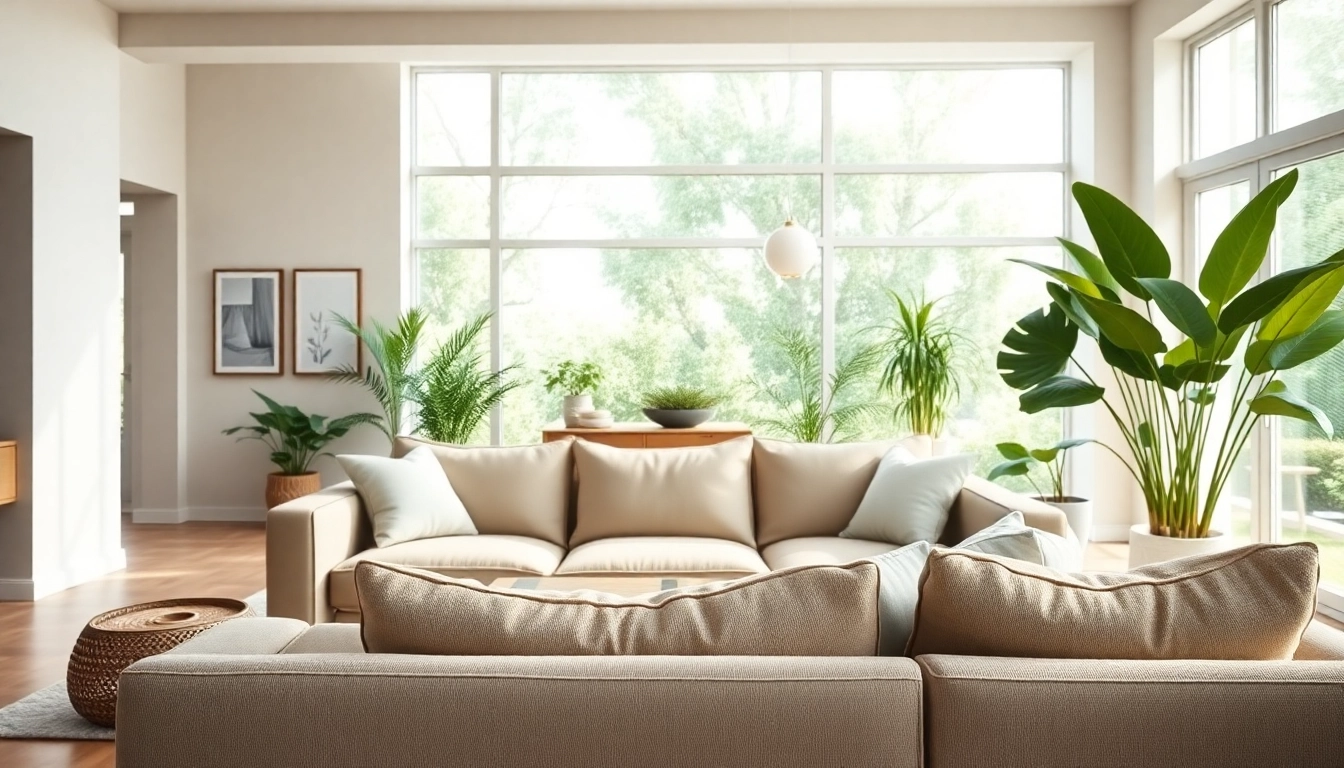
Nature has an innate ability to enhance our living environments. Elements like plants, natural light, and organic materials contribute to a calming atmosphere that is synonymous with Seamless Living. Large windows and sliding glass doors can create inviting connections to outdoor spaces, enhancing light and air quality indoors. Incorporating wooden furniture or stone accents can ground the space and foster a connection to the natural world. Additionally, biophilic design elements, which establish a connection with nature, have been shown to improve mood and overall health.
Living Spaces that Reflect Seamless Living
Creating a Relaxing Atmosphere
A relaxing atmosphere is essential for any home aiming for Seamless Living. Sound, light, and the arrangement of furniture play a pivotal role. Soft background music can provide a comforting auditory experience, while adjustable lighting allows for flexibility based on mood. Furniture should be arranged to promote conversation and relaxation; for example, a circular seating arrangement can help create intimacy.
Moreover, incorporating soft textures through throws, cushions, and rugs can provide warmth and a cozy feeling. Additionally, utilizing scent with candles or essential oil diffusers can further establish a welcoming ambiance. The convergence of these elements creates a space that feels serene and inviting.
Functional Spaces for Everyday Life
Everyday life demands spaces that are not only beautiful but also functional. Incorporating Seamless Living means designing utility areas that work for the occupants without compromise. In the kitchen, ensure that essentials are within reach while maintaining a clutter-free countertop. Multi-functional furniture—like a dining table that doubles as a work desk—can maximize utility without sacrificing design aesthetics.
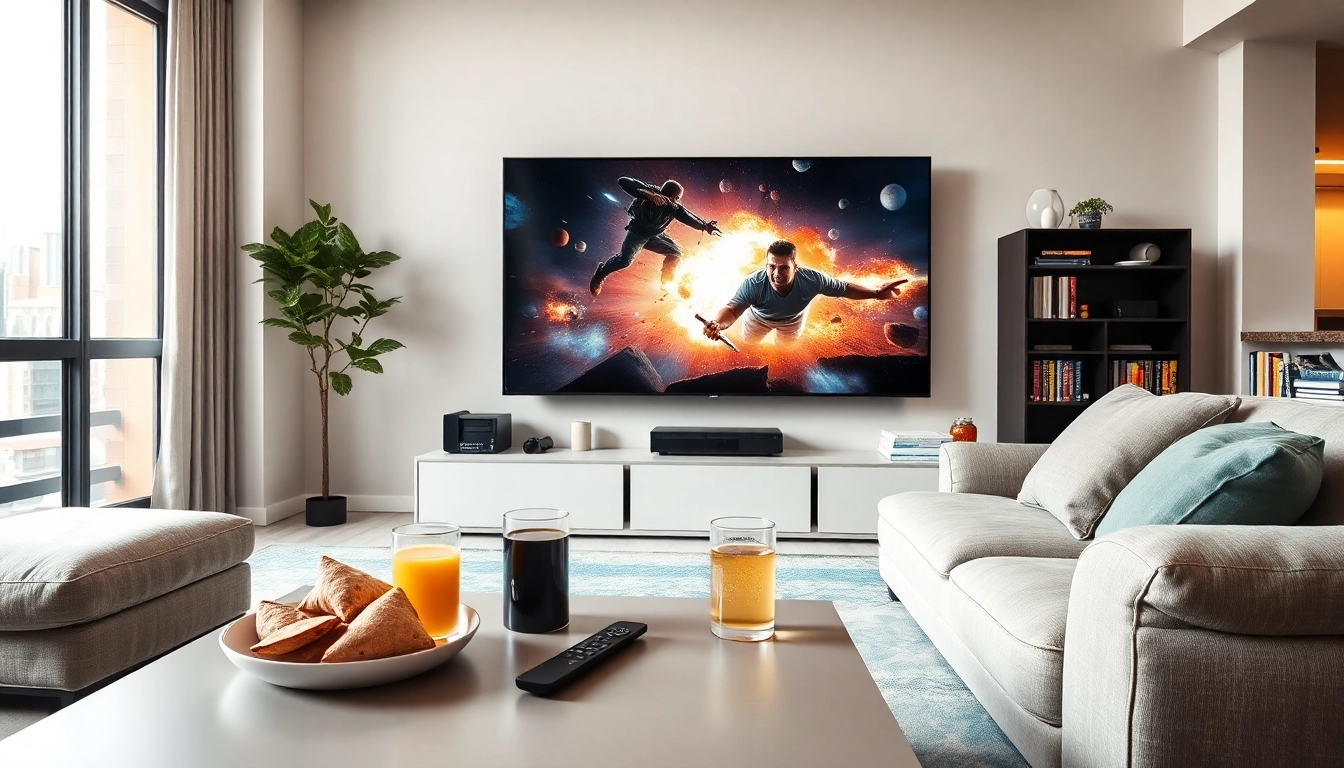
Consider how technology can aid functionality without becoming a distraction. For instance, a central charging station in a common area can keep devices organized and accessible, promoting a tidy environment. Thoughtful design that considers the user experience in day-to-day activities leads to a seamless integration of lifestyle and environment.
Personalizing Your Seamless Living Design
No two homes should look identical; personal touches are crucial to achieving a unique reflection of oneself within Seamless Living. Wall art, framed photographs, and curated objects can add character to the space. Tailor your environment to reflect personal interests, cultural touches, or even travel keepsakes that resonate with your lifestyle.
Incorporating personal items into the design, while maintaining balance, allows you to create a home that feels genuinely yours. Remember, Seamless Living doesn’t imply uniformity but rather harmony, where personal story blends with design aesthetics to craft a truly unique living experience.
Challenges in Achieving Seamless Living
Overcoming Design Clutter
One of the significant hurdles in achieving Seamless Living is managing clutter, both visual and physical. Clutter compromises the flow and aesthetic of a space. To combat this, decluttering regularly is paramount. Establishing a system for organizing belongings is helpful; for instance, sorting items based on frequency of use can aid in maintaining order.
Investing in smart storage solutions such as built-in shelving or multifunctional furniture can create a sense of openness while keeping the area organized. Encourage minimalism in decor—by selecting fewer, higher-quality items, you can achieve more impact without sacrificing harmony.
Managing Space Limitations
Not everyone has the luxury of expansive space. However, managing space limitations to still achieve Seamless Living is entirely possible. Employing reflective surfaces like mirrors can create an illusion of spaciousness. Using vertical space by incorporating shelving above head height can also free up floor space while providing storage solutions.
Employing a monochromatic color scheme can also make spaces appear larger. Furthermore, embracing multi-functional furniture—such as beds with storage drawers or collapsible tables—can significantly enhance the functionality of smaller living areas.
Balancing Aesthetics with Functionality
Striking a balance between form and function often presents a challenge. While aesthetics play a crucial role in Seamless Living, the usability of spaces is equally important. An effective design balances beautiful elements that are equally practical. For example, instead of sacrificing style for comfort, explore pieces that elevate both aspects—such as ergonomic chairs that also carry a strong design component.
Prioritizing elements based on who will use the spaces will also help in decision-making. For high-traffic areas like the living room, emphasize durable materials that can withstand wear while maintaining aesthetic appeal. Likewise, by blending both purely aesthetic choices and practical utilities, one can truly embrace the essence of Seamless Living.
Future Trends in Seamless Living
Sustainable Materials and Practices
The future of Seamless Living is inextricably linked to sustainability. Homeowners and designers are increasingly considering the environmental impact of materials used in their spaces. Opting for sustainable materials, such as bamboo flooring or recycled glass countertops, reduces the ecological footprint while still allowing for beautiful designs.
Incorporating sustainable practices—like energy-efficient appliances, low-VOC paints, and maximizing natural light—can create homes that are not only appealing but also environmentally responsible. As awareness grows, so does the demand for homes that blend sustainability with style, leading to a greater embrace of Seamless Living principles.
Smart Home Features
The integration of technology into living spaces is set to expand, with smart home features becoming standard in modern design. Devices that control lighting, temperature, and security through integrated systems create a seamless experience, allowing homeowners to optimize their environment with ease. For instance, smart thermostats adjust heating based on occupancy, increasing comfort and efficiency.
Moreover, voice-controlled assistants and automated systems can enhance daily routines by managing chores, media, and appliances remotely. In a world where technology increasingly influences daily life, embracing smart home innovations aligns perfectly with the principles of Seamless Living.
Innovative Space Solutions
As urban living becomes increasingly popular, innovative solutions for maximizing smaller spaces are emerging. Modular furniture design offers flexibility, allowing layouts to adapt to various needs and activities. Foldable furniture and transformable layouts can provide enough functionality for events without worrying about a permanently scarce space.
Moreover, outdoor living solutions, like vertical gardens or patio enhancements, provide additional areas for relaxation and connection without compromising indoor space. Embracing creativity in space utilization can define future living trends that align with the Seamless Living ethos.
FAQs about Seamless Living
What is the essence of Seamless Living?
Seamless Living focuses on creating environments that blend functionality with aesthetic beauty, promoting harmony and ease of movement throughout a living space.
How can I start implementing Seamless Living in my home?
Begin by decluttering, opting for an open-concept layout, selecting a cohesive color scheme, and incorporating multifunctional furniture to enhance connectivity and flow.
What role does natural light play in Seamless Living?
Natural light enhances the atmosphere, improves mental well-being, and creates an open, inviting feel, making it a key element in designing seamless environments.
Are there sustainable materials suitable for Seamless Living?
Yes, materials like bamboo, reclaimed wood, recycled metals, and eco-friendly paints can contribute to a sustainable and beautiful Seamless Living environment.
How do I balance functionality with aesthetics in my home?
Choose designs that meet practical needs while emphasizing beauty, using durable materials that can withstand use while maintaining a stunning visual appeal.