- Introduction
- What Is a Double Entendre?
- Double Entendre Pronunciation and Origins
- Why Double Entendre Works So Well
- Double Entendre Examples in Everyday Language
- Double Entendre Examples Flirting and Social Use
- Double Entendre Synonym and Related Concepts
- Creative and Cultural Uses of Double Entendre Names
- Using Entendre Effectively in Writing
- Common Mistakes to Avoid
- Conclusion
- FAQs About Entendre
Introduction
Language becomes more powerful when it carries layers, and few devices achieve this as elegantly as a double entendre. Used across literature, humor, marketing, and everyday conversation, this figure of speech allows a single phrase to convey two interpretations at once one obvious and one implied. When used skillfully, it adds wit, depth, and memorability without spelling everything out for the audience.
What Is a Double Entendre?
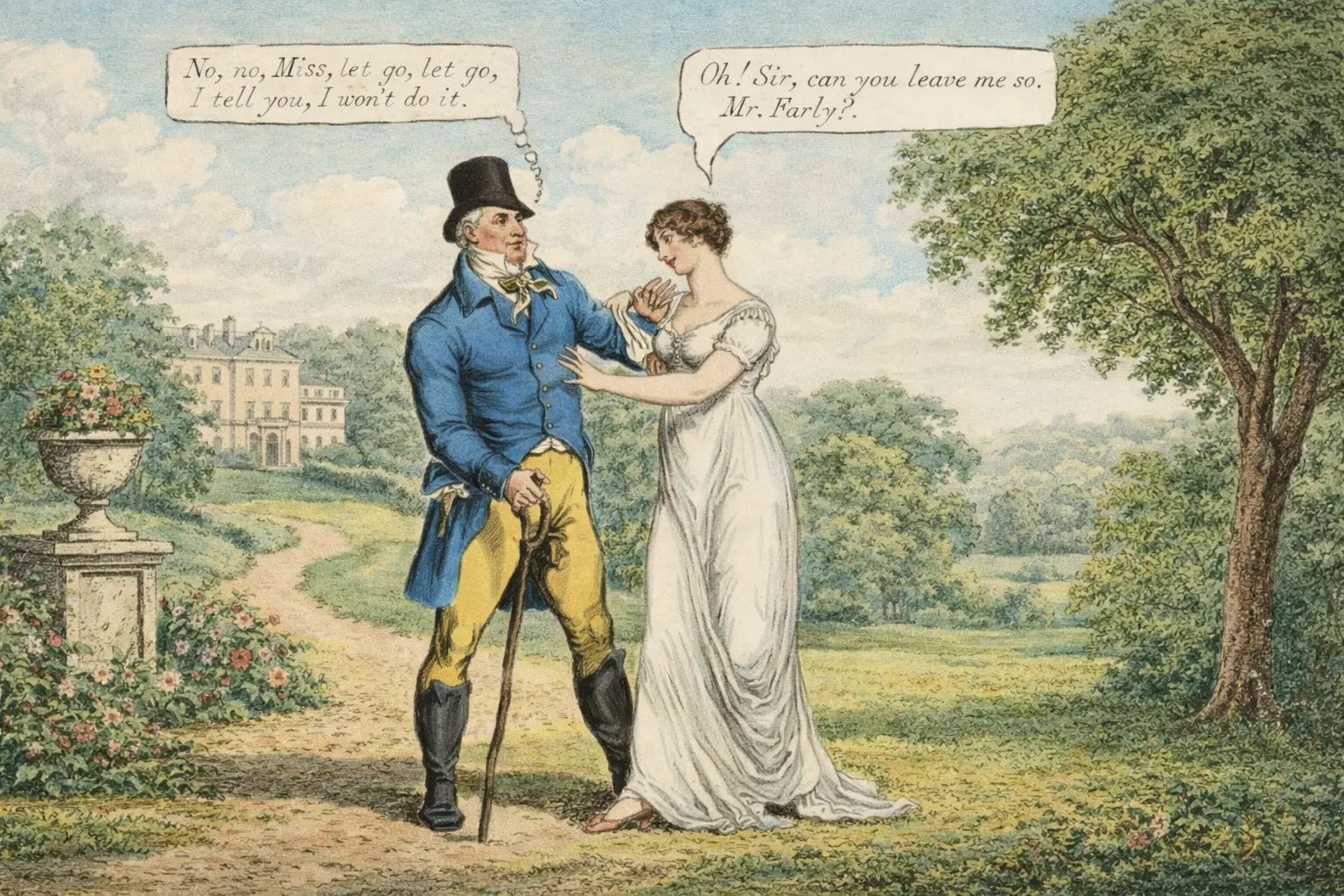
The entendre meaning refers to a word or expression that can be understood in two different ways. Typically, one meaning is straightforward while the second is subtle, playful, or suggestive. The listener is invited to read between the lines, which creates engagement and intellectual satisfaction.
[su_quote]Language is the dress of thought, and a double meaning changes the entire outfit.[/su_quote]
This rhetorical device thrives on ambiguity, allowing speakers to communicate complex ideas with brevity and charm. It has remained popular because it respects the audience’s intelligence and rewards careful listening.
Double Entendre Pronunciation and Origins
The phrase originates from French, meaning “double meaning.” The standard entendre pronunciation is duh-buhl on-TAHN-druh. While rooted in French linguistic tradition, the concept is universal and appears in cultures around the world, from ancient poetry to modern advertising slogans.
Why Double Entendre Works So Well
A well-crafted double entendre achieves several communication goals at once:
-
It captures attention through cleverness
-
It enhances humor without being overt
-
It allows subtle messaging in public discourse
-
It makes language more memorable
[su_highlight background=”#ffa599″]A great double entendre says twice as much while appearing to say very little.[/su_highlight]
Because of this balance, it is widely used in branding, political speeches, and entertainment, where nuance matters.
Double Entendre Examples in Everyday Language
Understanding comes easiest through examples. Here are a few clear entendre examples commonly heard in conversation:
-
“I used to be a banker, but I lost interest.”
-
“She gave him a ring, and it changed everything.”
Each sentence works on two levels, rewarding the listener who catches the secondary meaning.
Double Entendre in a Sentence
To see how it flows naturally: “He said he needed a break, but he never explained whether it was from work or from her.” This shows how context shapes interpretation.
Double Entendre Examples Flirting and Social Use
In social settings, especially flirting, subtlety is key. entendre examples flirting often rely on tone and timing rather than explicit wording. A playful remark like, “I’m great at handling things carefully,” can sound innocent or suggestive depending on delivery. This flexibility makes it ideal for lighthearted, non-awkward communication.
[su_quote]The smartest flirtation is the one that lets imagination do the work.[/su_quote]
Double Entendre Synonym and Related Concepts
While there is no perfect double entendre synonym, related ideas include ambiguity, innuendo, wordplay, and pun. However, unlike simple puns, a double entendre often carries emotional or rhetorical weight, making it more refined and impactful.
Creative and Cultural Uses of Double Entendre Names
You’ll often encounter double entendre names in bands, businesses, and fictional characters. These names hint at deeper meaning or personality traits without explanation. In branding, this technique sparks curiosity and helps audiences form an emotional connection with the name.
Using Entendre Effectively in Writing
To use a entendre well, clarity is essential. The primary meaning must make sense on its own, while the secondary meaning should feel intentional not forced. Overuse can confuse readers, but careful placement elevates writing by adding texture and intelligence. Writers, comedians, and marketers often rely on this device to say what cannot be said directly, maintaining professionalism while still being engaging.
Common Mistakes to Avoid
-
Being too obscure with the second meaning
-
Relying only on shock value
-
Using it where clarity is required
A successful double meaning should feel clever, not distracting.
Conclusion
Mastering the entendre means mastering nuance. It turns ordinary language into a layered experience, making communication more engaging and memorable. Whether used in writing, branding, or conversation, it remains one of the most effective tools for saying more with less. At Cyber In Fotechs, we believe understanding such linguistic devices empowers clearer thinking, sharper communication, and more impactful content.
FAQs About Entendre
What is a double entendre in simple terms?
It is a phrase with two meanings, one direct and one implied.
Is a double entendre always suggestive?
No. While it can be playful or humorous, many are purely intellectual or poetic.
How is double entendre different from a pun?
A pun often relies on similar sounds, while a double entendre relies on layered interpretation.