Understanding Cape Cod Home Architecture
Defining Characteristics of Cape Cod Homes
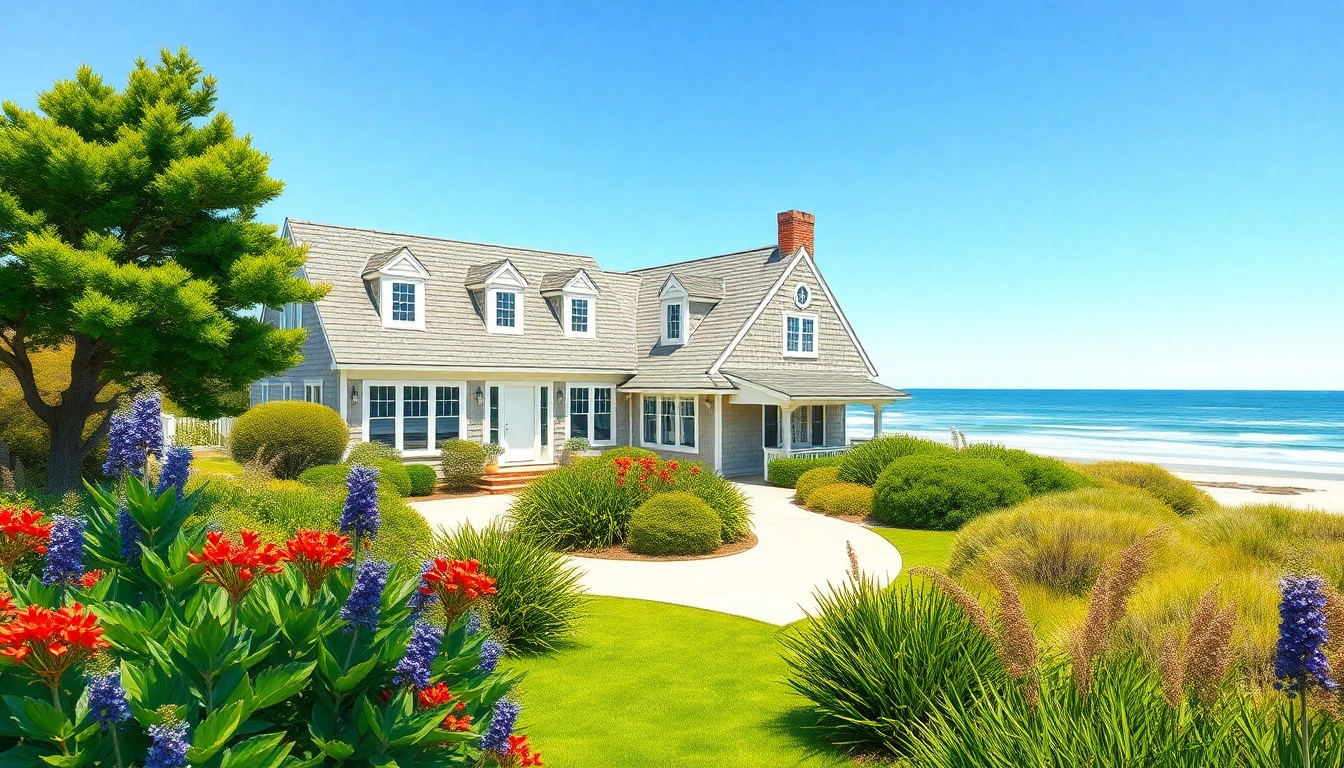
Cape Cod homes are deeply rooted in American architecture and are recognized for their distinctive and practical design elements. They typically boast steep roofs that are both aesthetically pleasing and highly functional, allowing for efficient drainage of rain and snow. Dormer windows are a common feature, providing natural light to the upper levels while enhancing the home’s charm. The sidings are usually made of wood, often painted in soft, coastal colors that reflect the surroundings, and the overall design promotes a cozy, welcoming atmosphere. The simplicity and symmetry of Cape Cod homes appeal to many homeowners seeking a blend of traditional style and modern efficiency.
History and Evolution of Cape Cod Home Design
The origin of Cape Cod homes dates back to the early settlers of New England in the 17th century. Influenced by the need for sturdy and functional shelter, the design prioritized practicality, making it well-suited to the harsh coastal climate. Over the centuries, the style has evolved, incorporating modern amenities while retaining its classic appeal. Initially, these homes were small, one-story structures, but as the design adapted, two-story versions emerged, allowing for greater space usage. Today, Cape Cod homes continue to evolve, incorporating contemporary designs and eco-friendly materials while staying true to their roots.
Benefits of Choosing a Cape Cod Home Style
There are numerous advantages to selecting a Cape Cod home style for your residence. One of the most significant benefits is the efficient use of space. The layout typically maximizes square footage, making it an excellent choice for families or those expecting to expand their living area. Additionally, Cape Cod homes are highly functional and can easily adapt to meet modern living needs, making it easier for homeowners to incorporate open floor plans or multifunctional spaces. The timeless aesthetic not only enhances curb appeal but also typically has a high resale value, ensuring a sound investment for the future.
Planning Your Cape Cod Home Expansion
Key Considerations for Successful Expansions
Planning an expansion on your cape cod home involves thoughtful design consideration. First, assess your needs—whether it’s extra bedrooms, a home office, or expanded living spaces. Collaborating with an architect who understands Cape Cod’s unique style is crucial for maintaining coherence in design elements. Additionally, consider site orientation and natural light to maximize comfort. Finally, evaluate the budget and timeline for the project, keeping in mind that unexpected costs often arise, and allow flexibility in your planning.
Designing an Attached Garage with Aesthetic Appeal
When considering an attached garage as part of your Cape Cod home expansion, it is essential to adopt a design that harmonizes with the existing architecture. Emphasize gable roofs and double carriage-style doors to enhance the home’s charm. Using materials consistent with the main structure, such as wood siding and matching color palettes, will ensure continuity in design. Ensure that the garage is proportionate to the house, so it appears as a natural extension rather than an afterthought. Additionally, consider integrating functional elements like storage space and workbenches without compromising the aesthetic appeal.
Permits and Regulations for Home Expansion
Before beginning any expansion project, it is necessary to understand local zoning regulations and building codes. Many towns have guidelines regarding the size, height, and placement of new structures, particularly in coastal areas where environmental impact studies may be required. Engage with local authorities to ensure you have the necessary permits and comply with all regulations. This not only prevents future legal complications but also encourages respect for the neighborhood and its historical significance.
Incorporating Sustainable Practices in Expansion
Eco-friendly Materials for Your Cape Cod Home
When planning your expansion, consider using eco-friendly materials that align with the coastal environment. Sustainable choices, such as reclaimed wood and recycled metals, can minimize the ecological footprint of your project. Additionally, quality materials like fiber cement siding provide durability and improved energy efficiency, reducing long-term maintenance costs. By selecting sustainable options, homeowners contribute positively to the environment without sacrificing style or comfort.
Energy Efficiency Tips During Expansion
Enhancing energy efficiency during your home expansion can lead to significant savings and an improved living environment. Start by investing in high-quality insulation to minimize heat loss or gain. Opt for energy-efficient windows that reduce solar heat gain while maximizing natural light. Installing smart home technologies for heating and cooling systems can optimize energy usage. Moreover, consider solar panels as a part of your expansion plan, which not only contributes to energy efficiency but also provides long-term cost benefits.
Sustainable Landscaping for Coastal Homes
Landscaping plays a crucial role in the sustainability of a Cape Cod home. Use native plants that require less water and maintenance while thriving in the coastal soil. Incorporating rain gardens can help with stormwater management, reducing runoff and protecting the surrounding environment. Sustainable landscaping not only enhances the aesthetic but also boosts the ecological resilience of your property, creating a harmonious relationship between your home and its natural surroundings.
Enhancing Curb Appeal for Your Cape Cod Home
Color Schemes that Complement Coastal Living
The choice of color can dramatically influence the curb appeal of your Cape Cod home. Soft, muted colors like light blues, seafoam greens, and sandy beiges evoke a coastal vibe that blends seamlessly with the surroundings. Trim colors should contrast gently, using whites or darker tones to highlight windows and doors. Consider using high-quality, UV-resistant paint to maintain vibrancy for years, ensuring your home remains attractive and well-kept.
Landscaping Ideas for Your Attached Garage
When landscaping around your attached garage, consider incorporating features that enhance both functionality and aesthetics. Plant trees or shrubs that frame the garage, creating a natural transition between the home and garage space. Incorporating flower beds or decorative stones can soften the look of the driveway and add visual interest. Pathways leading to your garage should be inviting, using materials such as brick or stone that complement your home’s architecture.
Outdoor Living Spaces: Enhancing Your Home’s Charm
Creating outdoor living spaces can significantly enhance the charm of your Cape Cod home. Consider adding porches, decks, or patios that extend your living area outdoors while providing a perfect setting for relaxation and entertaining. Utilize durable materials that withstand coastal weather conditions, and integrate comfortable outdoor furniture to create a welcoming environment. Additionally, outdoor kitchens or fire pits can extend the usability of your space, making it ideal for gatherings with family and friends.
Frequently Asked Questions
What are the key features of a Cape Cod home?
A Cape Cod home typically features steep roofs, dormer windows, and wood siding. Its design promotes efficient use of space and contrasts beautifully with coastal settings.
How can I effectively expand my Cape Cod home?
To expand effectively, assess your space needs, consult with an architect, and ensure compliance with local zoning laws. Thoughtful design integrates seamlessly with your existing structure.
What materials support Cape Cod home aesthetics?
Natural materials like wood shingles, stone accents, and traditional trim colors are ideal. Opting for durable, weather-resistant materials enhances both beauty and longevity.
How can I increase energy efficiency in my Cape Cod home?
Consider quality insulation, energy-efficient windows, and solar panels. Proper ventilation and strategic shading also help maintain comfort while minimizing energy costs.
What landscaping is suitable for a Cape Cod home?
Native plants, flower beds, and shrubs that thrive in coastal soil improve your home’s resilience and aesthetic. Incorporate pathways and outdoor seating for added appeal.