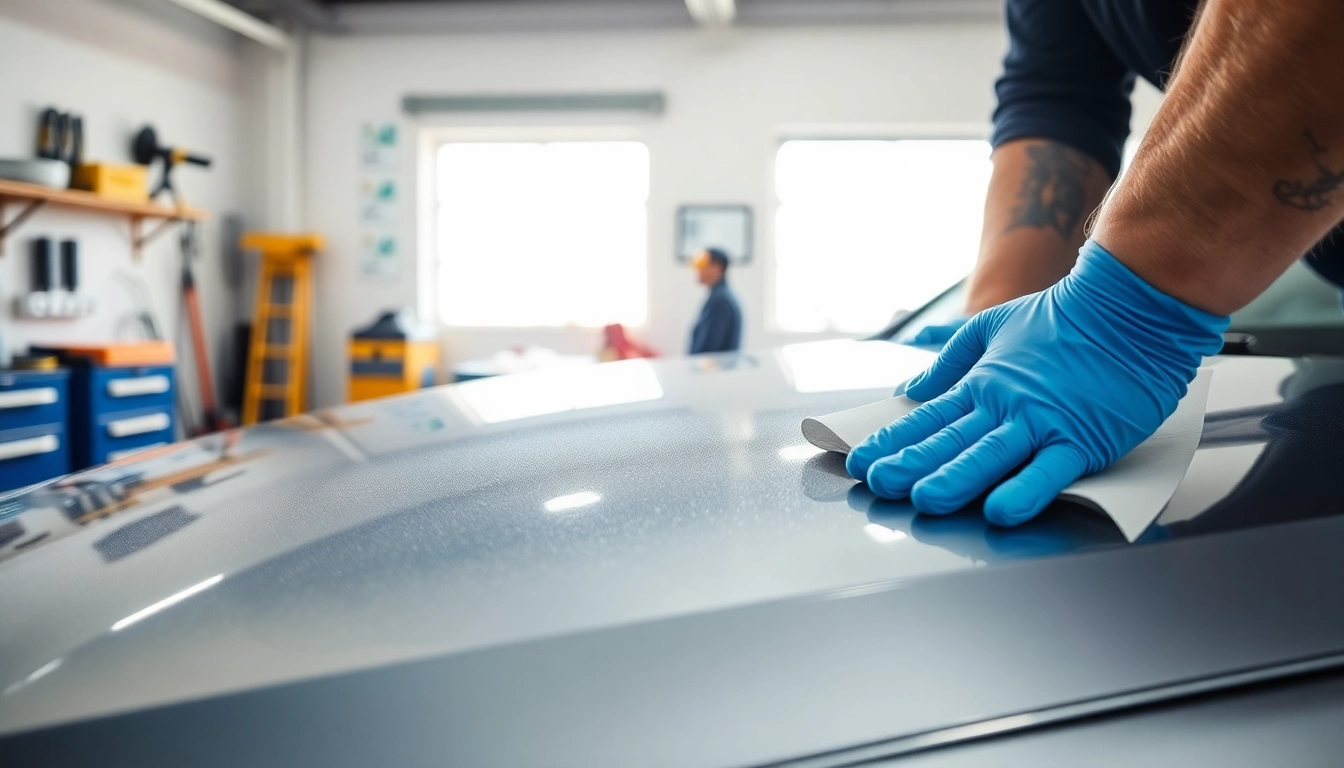
Understanding PPF Winter Road Salt Protection
Winter can be harsh on vehicles, particularly in regions where road salt is used to manage ice and snow. This form of de-icing can significantly damage a car’s exterior. One effective method to combat this damage is through PPF winter road salt protection. This protective film acts as a barrier against corrosive substances, helping preserve your vehicle’s paint job and overall appearance during the colder months.
What is Paint Protection Film?
Paint Protection Film (PPF) is a transparent polyurethane or thermoplastic layer designed to protect automotive paint from various environmental hazards. This advanced technology was originally developed for military applications, primarily to protect helicopter blades from debris. Over time, its benefits have been recognized in the automotive industry, as car owners began seeking effective solutions to preserve their vehicles against scratches, dents, and degradation caused by the elements, including UV rays and corrosive substances like road salt.
Importance of Winter Road Salt Protection
During winter, the practice of using road salt to mitigate icy conditions becomes widespread. Unfortunately, while salt is effective at providing safer driving conditions, it can lead to significant paint damage, corrosion, and even rust if not managed properly. The high salinity can eat away at the protective coatings on a vehicle, while also promoting oxidation of the metal underneath. Without adequate protection like PPF, car owners risk facing costly repairs as they contend with rust and paint deterioration.
How PPF Works Against Environmental Hazards
PPF functions through its molecular structure, which has self-healing properties. When exposed to minor impacts, like small debris or grit from winter roads, the film can ‘heal’ itself, effectively reducing the appearance of scratches. This feature is particularly beneficial in winter conditions where salt and grit can lead to extensive wear and tear. The clear film creates a barrier that not only deflects these environmental hazards but also shields the paint from UV light, preserving the vehicle’s original color and finish.
Benefits of PPF Winter Road Salt Protection
Durability and Longevity
One of the primary advantages of PPF is its remarkable durability. High-quality PPF can withstand extreme conditions, from intense heat to bitter cold, without losing effectiveness. It can last anywhere from 5 to 10 years, depending on factors like the type of film used and maintenance practices. When applied correctly, it forms a robust barrier that significantly extends the lifespan of your vehicle’s paint.
Enhanced Aesthetic Appeal
PPF enhances the aesthetic appeal of a vehicle by providing a glossy finish that can make the paint appear deeper and more vibrant. An added benefit is that it is virtually invisible, which means it does not alter the car’s original color or design. Regular use will ensure that the vehicle looks newer for longer, which is an appealing factor for car enthusiasts or anyone interested in maintaining their vehicle’s appearance.
Cost-Effectiveness Compared to Repainting
Investing in PPF is a cost-effective solution compared to the higher expenses associated with repainting a vehicle after severe wear due to salt damage. Repainting can be labor-intensive and time-consuming, often costing thousands of dollars. In contrast, PPF installation is typically a one-time expense that preempts the need for future costly repairs while maintaining a car’s value over time.
Application Process of PPF
Preparation Needed for PPF Application
For optimal installation of PPF, the vehicle needs thorough cleaning and preparation. This process includes washing, clay barring the surface to remove contaminants, and polishing the paint to ensure any imperfections are corrected. Furthermore, the vehicle must be placed in a controlled environment, free of dust, moisture, and extreme temperatures to facilitate a perfect bond between the film and the paint.
Step-by-Step PPF Installation Guide
1. Cleaning: Thoroughly wash the vehicle to remove dirt and grime. Use a clay bar to remove any embedded contaminants.
2. Drying: Ensure the surface is dry and free from moisture.
3. Template Selection: Use a pre-cut template or manually cut the PPF to suit the specific dimensions of the vehicle.
4. Application: Using a solution to allow for repositioning, place the PPF on the vehicle’s surface, ensuring no bubbles are present.
5. Squeegeeing: Smooth out the film, working from the center outwards to remove any air pockets.
6. Curing: Allow the film to cure according to the manufacturer’s instructions before exposing it to harsh elements.
Common Mistakes to Avoid During Installation
When handling PPF installation, several common pitfalls should be avoided:
- Insufficient Cleaning: Neglecting to clean properly can lead to adhesion issues.
- Wrong Temperature: Applying PPF in extreme temperatures can affect its performance and longevity.
- Ignoring Bubbles: Not addressing air bubbles can ruin the visual aspect and integrity of the film.
- Poor Alignment: Misalignment during installation can result in an unprofessional appearance.
Maintaining Your PPF for Optimal Performance
Cleaning Techniques for Your PPF
Maintaining the cleanliness of PPF is essential to preserve its functionality and appearance. Regular washes are recommended but avoid automatic car washes that use harsh bristles. Instead, opt for hand washing with soap that is pH-neutral and a microfiber cloth for drying. Additionally, consider using a ceramic coating on top of the PPF for added protection.
Scheduled Inspections and Care Tips
Regular inspections are crucial to identify any potential issues early. Look for signs of peeling, discoloration, or any bubbling beneath the film. Early detection can facilitate necessary repairs or replacement of the film before more extensive damage occurs. Schedule a professional inspection at least once a year to ensure the film is performing optimally.
Handling Damage and Repairs
Although PPF is designed to be durable, it may still get damaged. The good news is that small sections can often be replaced without needing to remove the entire film. For minor scratches, you might find that the self-healing properties of the PPF resolve the issue. In cases of significant damage, a professional can remove the affected section and apply a new piece, preserving the integrity of your vehicle’s protection.
Frequently Asked Questions About PPF Winter Road Salt Protection
How Long Does PPF Last?
PPF can last up to 10 years, depending on maintenance and environmental exposure.
Can PPF Be Installed on Any Vehicle?
Yes, PPF can be customized and installed on various makes and models.
Does PPF Affect the Color of My Paint?
No, high-quality PPF is virtually invisible and enhances the vehicle’s original color.
Is There a Warranty for PPF?
Most professional installations come with a warranty ranging from 5 to 10 years.
Can PPF Be Removed?
Yes, PPF can be safely removed by professionals without damaging the underlying paint.