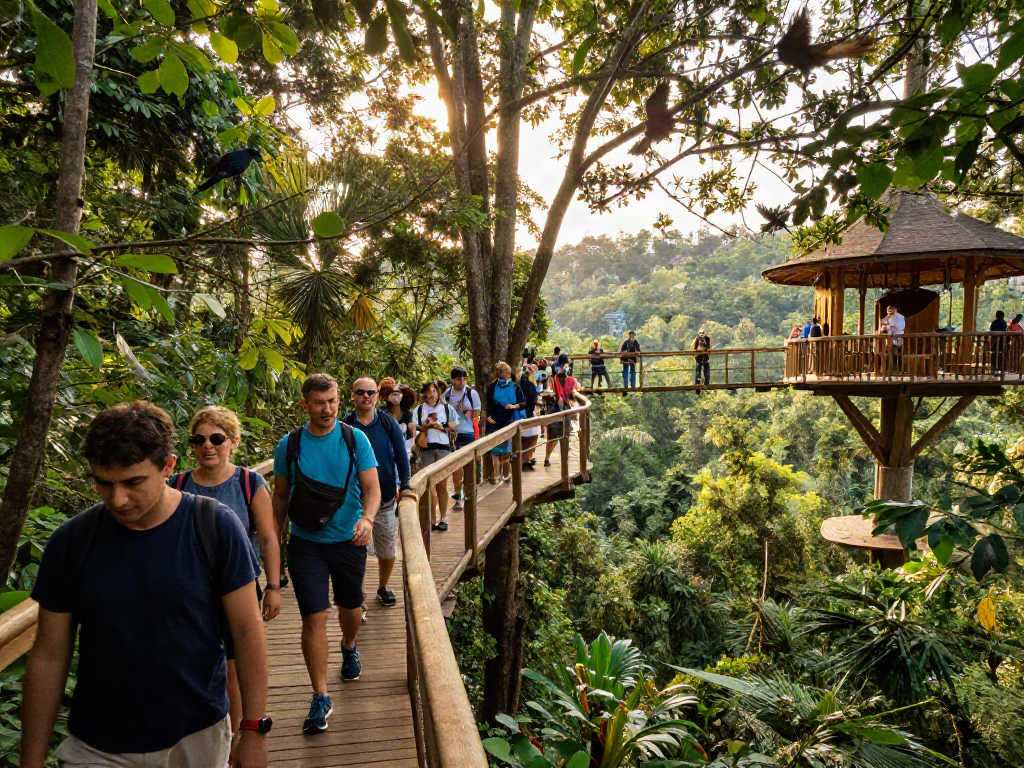
Understanding the Treetop Walkway Experience
The allure of a Treetop Walkway lies in its ability to connect visitors with nature in a unique and immersive way. Elevated pathways allow adventurers to traverse the canopy of forests, offering breathtaking views and a different perspective on wildlife and plant life. As urbanisation encroaches on natural habitats, these walkways serve as a bridge between the human experience and the wonders of nature, making them increasingly popular among nature enthusiasts, families, and eco-tourists alike.
What is a Treetop Walkway?
A Treetop Walkway is an engineered path that typically sits high in the canopy of trees, allowing visitors to walk amongst the branches. These structures vary in design and materials but commonly use recycled wood and steel to create safe, eco-friendly experiences. With elevations reaching up to 65 feet or more, treetop walkways offer a close-up encounter with wildlife that dwell in the high canopies, enhancing the adventure of exploring nature.
The Benefits of Treetop Walkways for Nature Enthusiasts
Treetop walkways have numerous benefits for nature enthusiasts, including:
- Immersive Experience: Walking amongst the treetops provides an intimate view of the ecosystem, presenting opportunities to observe wildlife while learning about flora and fauna.
- Educational Opportunities: Many treetop walkways include informational signage about the local environment, promoting awareness and understanding of conservation efforts.
- Physical Activity: Treetop walkways offer a unique way to exercise in a natural setting, contributing to physical health while fostering a love for the outdoors.
- Accessibility to Nature: For those unable to hike through traditional trails, these elevated pathways provide a gentle yet engaging way to explore nature.
Common Locations for Treetop Walkways
Treetop walkways can be found in a variety of locations worldwide, often set in national parks, nature reserves, or botanical gardens. Some notable examples include:
- Royal Botanic Gardens, Kew (UK): A stunning walkway that elevates visitors 18 metres above the ground, surrounded by ancient trees and unique flora.
- The Wild Center Wild Walk (USA): This walk allows participants to explore the treetops of the Adirondacks, including interactive exhibits and stunning views.
- Canopy Walkway at Tanglewood Nature Center (USA): Offers trails that wind high above the ground, immersing visitors in the beauty of the local ecosystem.
Planning Your Visit to the Treetop Walkway
Essential Preparation for a Treetop Walkway Adventure
Before heading out on a treetop walkway adventure, it is wise to prepare thoroughly. Consider the following tips:
- Check the Weather: Conditions can change rapidly, so it's crucial to review the forecast beforehand.
- Appropriate Clothing: Wear comfortable, weather-appropriate clothing, alongside sturdy footwear suitable for uneven surfaces.
- Pack Essentials: Include water, snacks, a camera for capturing the views, and binoculars for birdwatching.
Best Times to Visit: Seasonal Considerations
The optimal time for visiting treetop walkways can vary based on location. Generally, spring and autumn are the most favourable seasons due to milder weather and vibrant foliage. Summer may attract larger crowds, while winter visits can offer a quiet, picturesque landscape but may require special considerations for snow and ice.
Nearby Attractions and Amenities
Many treetop walkways are situated near other attractions, making them ideal for day trips. Nearby amenities often include visitor centres, cafes, and picnic areas, enhancing the overall experience. Researching these locations before your visit can help in planning a more fulfilling adventure.
Safety Guidelines for Treetop Walkway Exploration
Understanding the Safety Measures in Place
Safety is paramount when exploring a Treetop Walkway. These structures are designed to meet strict safety standards, often featuring:
- Barrier rails and nets: To protect visitors from falling while they enjoy the views.
- Regular maintenance checks: Ensuring walkways are kept in optimal condition.
- Emergency protocols: Clearly marked procedures for handling any issues that may arise.
What to Wear and Bring for Your Walkway Adventure
Ensure you are adequately prepared by wearing:
- Comfortable shoes: Good grip and support are essential.
- Layers of clothing: Dress in layers, as temperatures can vary significantly from ground level to the canopy.
- Personal items: Sunscreen, hats, and insect repellent may be useful, depending on the season.
Tips for Families Visiting Treetop Walkways
Families with children can immensely enjoy treetop walkways. To enhance the experience, consider:
- Engaging children with a scavenger hunt to spot various tree species and wildlife.
- Pacing the walk to accommodate younger children, ensuring everyone enjoys the experience.
- Utilising educational materials provided by the walkway to foster a sense of curiosity.
Environmental Impact and Conservation Efforts
How Treetop Walkways Promote Eco-Tourism
Treetop walkways are not only attractions; they play a significant role in promoting eco-tourism. By providing a safe way to experience the forest without damaging delicate ecosystems, they encourage visitors to appreciate and protect nature. This appreciation often translates into support for local conservation projects.
Supporting Local Conservation Initiatives
Many treetop walkways work closely with local conservation initiatives. Visitors can often learn about ongoing projects and even participate in volunteer opportunities, fostering a deeper connection with the environment and supporting sustainability.
The Importance of Sustainable Practices in Nature Tourism
Sustainable practices are crucial in nature tourism, particularly with regards to treetop walkways. These include:
- Using local materials: Sourcing building materials locally reduces the carbon footprint.
- Implementing waste management: Ensuring facilities are in place to manage waste effectively.
- Community involvement: Engaging local communities in the planning and maintenance of walkways promotes stewardship.
Future Trends in Treetop Walkways for 2026 and Beyond
Innovations in Design and Construction of Walkways
As we look towards the future, innovations in design and construction are expected to redefine treetop walkways. Sustainable materials and advanced engineering techniques will enhance both safety and the visitor experience.
Emerging Locations for Upcoming Treetop Walkways
New treetop walkways are being planned globally, often in areas previously unexplored for ecotourism. Future projects may be designed to incorporate local cultural elements, enriching the experience for visitors.
Integrating Technology to Enhance Visitor Experience
Technology will continue to play a role in enhancing the treetop walkway experience. Innovations such as augmented reality could offer interactive educational content, while mobile apps may provide additional information about local wildlife and plants.
Is the Treetop Walkway worth visiting?
Absolutely! Treetop walkways offer a unique glimpse into the forest ecosystem, making them a must-visit for nature lovers seeking adventure and education.
Where can I find a Treetop Walkway near me?
To locate a treetop walkway, consider searching local nature reserves, national parks, or botanical gardens. Many online resources provide maps and additional information.
How long does a typical Treetop Walkway experience last?
The length of a visit can vary, but most treetop walkways can be enjoyed in approximately one to two hours, depending on the level of exploration and learning.
What should I expect on my visit to a Treetop Walkway?
Visitors can expect stunning views, informative signs about the local environment, and the chance to encounter wildlife above the ground level.
Are Treetop Walkways accessible for everyone?
Many treetop walkways strive to be inclusive and accessible for all visitors, offering ramps and other accommodations to ensure a welcoming experience.