Understanding Double Girder Bridge Cranes
Double girder bridge cranes are pivotal in various industrial sectors, renowned for their strength and versatility in lifting heavy loads. Unlike their single girder counterparts, these cranes feature two parallel girders, which provide enhanced stability and lifting capacity. As industries push the envelope for efficiency and productivity, the demand for robust solutions like double girder bridge cranes continues to rise. When exploring options, double girder bridge crane systems offer comprehensive insights into advanced design and operational capabilities.
Definition and Core Components of Double Girder Cranes
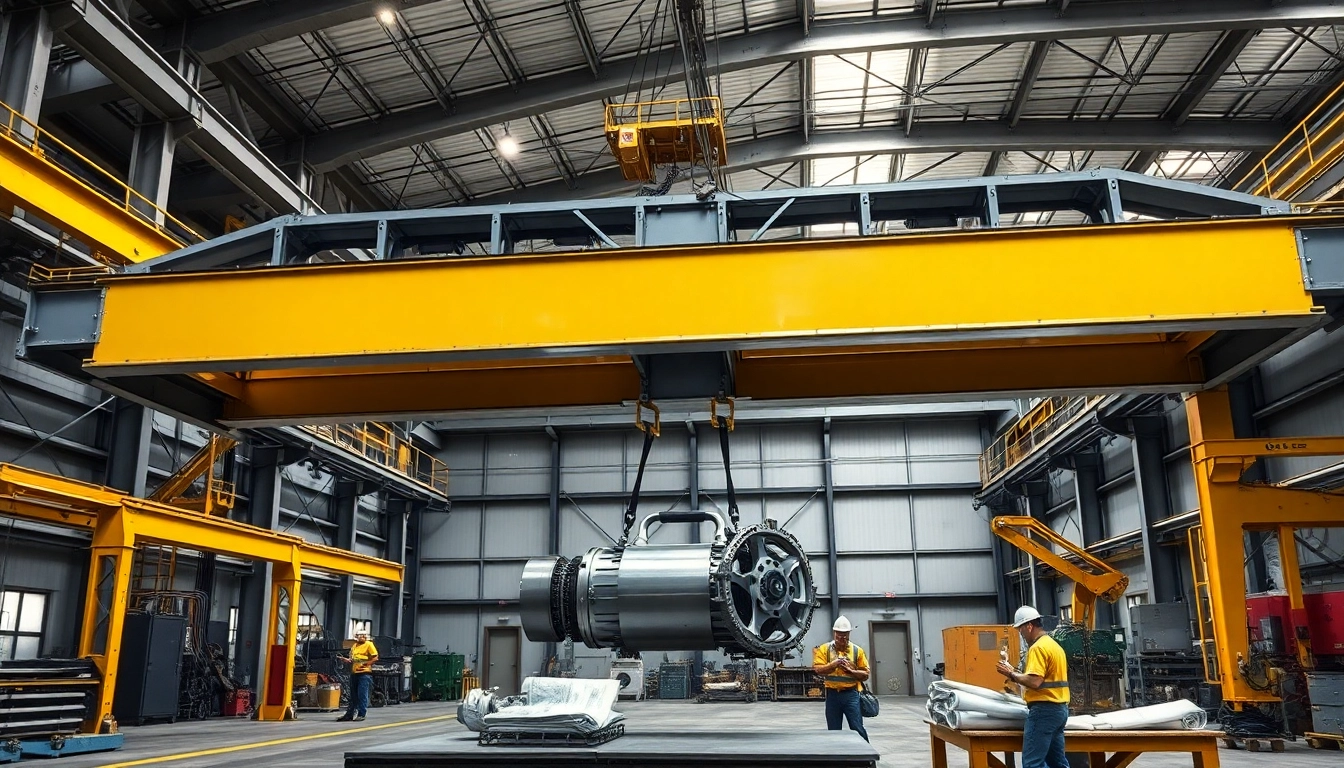
A double girder bridge crane consists of two main girders, typically made from high-strength steel, which span the width of the area where materials are handled. The end trucks, which are connected to each girder, enable the crane to traverse along the overhead runway. The crane's hoisting mechanism is generally located on the lower flanges of the girders, allowing for greater lifting heights compared to single girder systems.
- Main Girders: The structural backbone that supports the entire system.
- End Trucks: Facilitate the movement of the crane along the tracks.
- Hoist: The device used to lift and lower loads.
- Trolley: Moves back and forth along the girders, delivering precision in load placement.
How Double Girder Cranes Differ from Single Girder Designs
While both single and double girder cranes serve similar functions, there are key differences that significantly impact their applications. Single girder cranes utilize a single beam for support, making them lighter and more cost-effective for smaller operations. However, when it comes to handling heavy loads or spanning wider areas, double girder cranes excel by offering a higher lifting capacity and greater stability. This makes them ideal for industries requiring frequent operation of heavy equipment.
Advantages of Choosing a Double Girder Bridge Crane
Opting for a double girder bridge crane presents several advantages:
- Increased Load Capacity: Double girder cranes can handle heavier weights, often exceeding 10 tons, making them suitable for heavy manufacturing and construction.
- Greater Span: These cranes can cover wider spans, reaching up to 150 feet or more, allowing for flexible building layout designs.
- Improved Stability: The design offers enhanced stability during operations, minimizing sway and improving safety.
- Versatility: They are adaptable to various applications across multiple industries, from logistics to specialized manufacturing.
Key Applications in Various Industries
Heavy Manufacturing and Construction Uses
In heavy manufacturing, double girder bridge cranes play a crucial role in assembling and moving large components. Their high lifting capabilities support essential processes, from the assembly line to material handling. In construction, they facilitate the lifting of steel beams, heavy machinery, and other sizable materials, thus streamlining workflow and productivity.
Logistics and Warehouse Efficiency Improvements
In logistics and warehousing, the ability to lift and transport heavy loads efficiently is vital. Double girder cranes enable fast and reliable movement of goods, reducing downtime and improving inventory management. They are often paired with automated systems to optimize storage and retrieval processes, resulting in significant operational cost savings.
Specialized Uses in Automotive and Aerospace Industries
The automotive and aerospace sectors depend heavily on double girder cranes for their complex manufacturing processes. These cranes are used to lift heavy components, such as engines and fuselages, ensuring precision in assembly and safety during production. Their ability to handle various load configurations allows for greater flexibility in manufacturing environments.
Installation and Maintenance Considerations
Site Requirements and Installation Procedures
The installation of double girder bridge cranes requires careful planning and consideration of the site conditions. Factors such as ceiling height, building layout, and load capacities must be assessed to ensure optimal crane performance. A qualified installation team should outline the groundwork, prepare the runway systems, and oversee the final assembly of the crane structure.
Routine Maintenance Practices for Optimal Performance
To maximize the lifespan and efficiency of a double girder crane, regular maintenance practices must be followed. This includes:
- Routine inspections of the electrical systems and mechanical components.
- Lubrication of moving parts to minimize wear and tear.
- Checking the alignment and condition of the hoisting mechanisms and trolleys.
Safety Protocols and Compliance Standards
Safety is paramount when operating double girder cranes. Compliance with industry standards, such as OSHA regulations, is essential for ensuring worker safety. Operators should undergo rigorous training, and safety measures, such as proper signaling and load testing, should be rigorously enforced to prevent accidents.
Cost Factors and Budgeting for Double Girder Cranes
Initial Investment vs. Long-term Cost Savings
Investing in a double girder bridge crane often represents a significant financial commitment. However, the long-term cost savings associated with their durability and efficiency can offset the initial outlay. By enhancing productivity and reducing downtime, these cranes deliver a strong return on investment over time.
Factors Influencing Price: Capacity, Span, and Customization
Several factors influence the pricing of double girder cranes, including:
- Load Capacity: Higher capacity cranes will typically cost more.
- Span Length: Longer spans require more material and engineering, affecting overall costs.
- Customization: Special features or modifications tailored to specific industrial needs can increase the price.
Financing Options for Industrial Equipment
Many businesses opt for financing solutions to manage the costs associated with double girder bridge cranes. Options may include leasing, loans, or equipment financing programs that allow companies to acquire the necessary equipment without a substantial upfront investment.
Future Trends and Innovations in Crane Technology
Emerging Technologies in Double Girder Design
As technology advances, double girder cranes are evolving to incorporate smart systems, such as IoT connectivity and automated controls. These innovations enhance operational efficiency, offering real-time monitoring and predictive maintenance capabilities that reduce downtime and improve safety.
Sustainability Practices in Crane Manufacturing
Environmental considerations are becoming increasingly important in crane manufacturing. Companies are focusing on eco-friendly materials and energy-efficient designs to reduce the carbon footprint associated with production and operation. Innovations in sustainable practices are expected to gain traction in the coming years as industries prioritize sustainability.
Predictions for the Future of Industrial Lifting Equipment in 2025
By 2025, the industrial lifting equipment landscape is expected to be dominated by smart, automated solutions. The integration of AI and machine learning will further enhance the capabilities of double girder cranes, making them safer and more efficient. Additionally, as industries adapt to emerging technologies, the demand for advanced lifting solutions that integrate seamlessly with automated workflows will continue to grow.