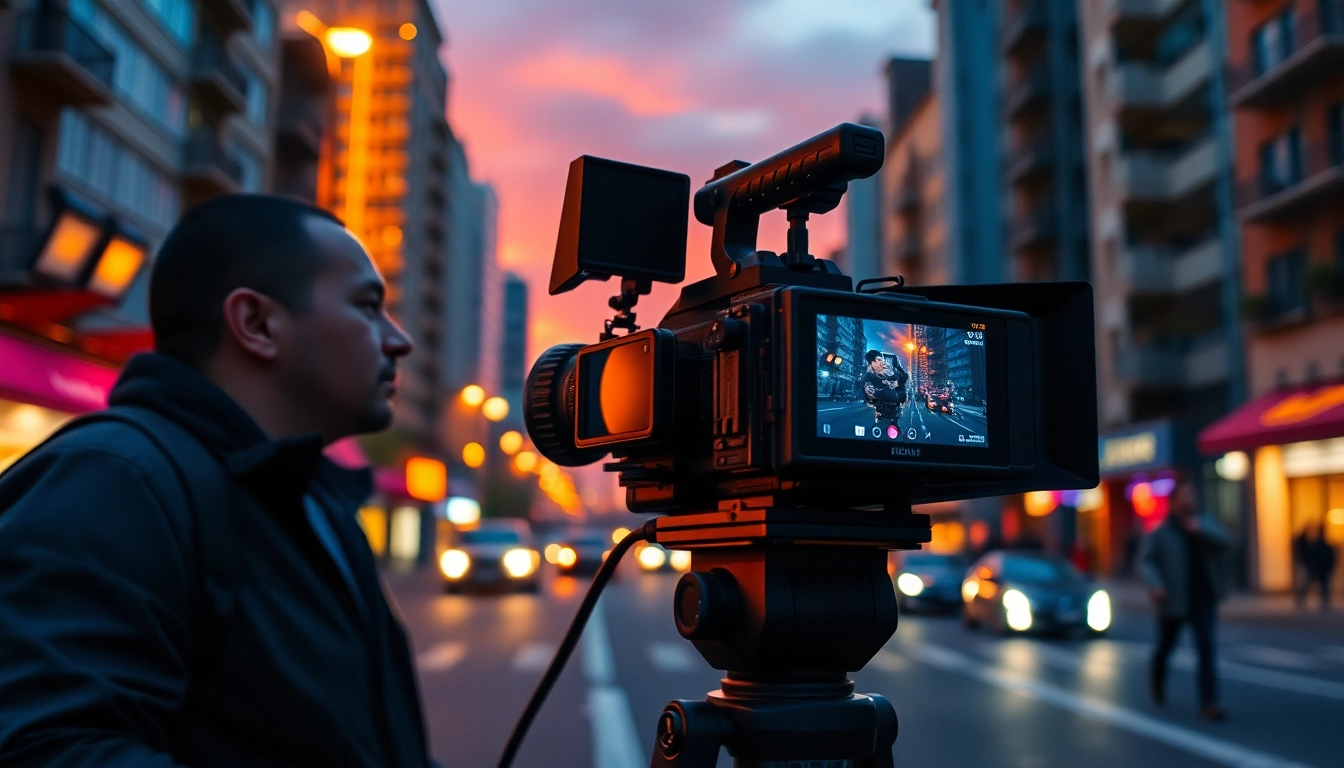
The Essence of Cinematic Video Production
Cinematic video production transcends mere filming; it encapsulates the art of storytelling through visual mediums that resonate with audiences. Every frame, every angle, and every sound carries the intent of transforming simple concepts into emotional narratives. This intricate process draws upon a variety of techniques, technologies, and principles that combine to create compelling visual stories. Understanding the essence of this medium is crucial for those wishing to elevate their storytelling capabilities through cinematic video production.
What Defines Cinematic Video Production?
Cinematic video production can be defined by several characteristics. Primarily, it involves a high level of production quality that seeks to mimic the aesthetic of film. This quality is often achieved through careful attention to detail in aspects such as lighting, sound design, and camera work. Moreover, cinematic video production often incorporates narrative techniques found in traditional storytelling, making use of structured arcs, character development, and emotional engagement.
The Importance of Storytelling
The backbone of any cinematic work is its story. Politicians, businesses, and artists alike harness the power of narrative to influence, inform, and entertain. A well-structured story not only captures audience attention but also fosters a deeper emotional connection. The application of classic storytelling principles—such as conflict, resolution, and character evolution—adds layers of complexity and richness, turning a simple message into a memorable cinematic experience.
Key Elements That Enhance Visual Quality
Visual quality in cinematic video production is enhanced through various elements, each contributing to the overall aesthetic and emotional impact:
- Framing and Composition: The way shots are composed greatly influences viewer engagement. Techniques like the rule of thirds guide the placement of subjects within the frame.
- Lighting: Proper lighting sets the tone and mood of a scene, drastically affecting its emotional weight. A darkly lit scene may evoke suspense, while bright lighting can convey cheerfulness.
- Color Grading: Beyond simple color correction, grading can transform the feel of a shot. Warm tones may elicit nostalgia, whereas cooler tones can create a sense of urgency or detachment.
Techniques and Equipment for Cinematic Excellence
To achieve cinematic excellence, filmmakers rely on a combination of advanced techniques and high-quality equipment. The right tools and practices not only enhance the aesthetic but also streamline the production process, allowing for more creativity and flexibility.
Recommended Cameras and Lenses
Choosing the right camera and lens setup is critical in cinematic video production. DSLRs and mirrorless cameras have gained popularity for their versatility and image quality. Consider the following options:
- Full-Frame Cameras: Cameras like the Canon EOS R or Sony A7 series offer stunning image quality, especially in low-light conditions.
- High-End Video Cameras: For professionals, models like the RED DSMC2 provide unparalleled video quality but come at a higher price point.
- Lenses: Fast prime lenses (like 50mm f/1.8) excel at achieving shallow depth of field, while zoom lenses (like a 24-70mm) offer flexibility in framing.
Lighting Techniques for Mood and Atmosphere
Lighting is an indispensable aspect of cinematic video production that shapes the mood and atmosphere of a scene. Here are some commonly used techniques:
- Three-Point Lighting: A fundamental technique employing key, fill, and back lights to create depth.
- Natural Lighting: Utilizing sunlight can provide an authentic feel, though this requires careful planning and timing.
- SoftBox Lighting: Soft create diffused light reduces harsh shadows and adds ambiance.
Using Drones for Aerial Cinematic Shots
Drones have revolutionized how filmmakers approach aerial shots. They offer unique perspectives that enhance storytelling and provide breathtaking visuals. However, successfully integrating aerial shots requires technical understanding:
- Flight Planning: Understand the location, wind conditions, and obstacles to ensure smooth shots.
- Camera Settings: Adjusting ISO, aperture, and shutter speed according to lighting conditions is vital for quality footage.
- Legal Regulations: Be aware of local laws regarding drone usage to avoid legal issues.
Post-Production: The Final Touches
Post-production shapes the raw footage into a cohesive product that communicates the intended message effectively. It is where the magic truly happens.
Editing Software Options
Choosing the right editing software can significantly impact the post-production process. Here are some platforms to consider:
- Adobe Premiere Pro: Known for its powerful features and compatibility with various formats, it’s a favorite among professionals.
- Final Cut Pro: Exclusive to Mac users, this software offers an intuitive interface and robust editing capabilities.
- DaVinci Resolve: Renowned for its color grading tools, this program also integrates video editing, making it a comprehensive solution.
Color Grading for Visual Impact
Color grading enhances the film’s mood, tone, and emotion. It involves adjusting colors to unite the whole production or to serve the narrative objectives. Using software like DaVinci Resolve or Adobe Premiere Pro, filmmakers can fine-tune every frame, creating a profound emotional range.
Sound Design Enhancements
Sound design is vital in creating immersive experiences in cinematic video production. High-quality sound not only captures dialogue but establishes atmosphere. Key elements include:
- Ambient Sounds: Background noises replicate the setting and make it more believable.
- Foley Effects: These are custom sound effects that enhance realism by synchronizing audio with visual elements.
- Musical Scores: A well-composed score can elevate emotional impact significantly, guiding viewers’ feelings throughout the narrative.
Best Practices for Creating Engaging Content
Creating content that captivates audiences requires an understanding of their needs and methodical planning. Following established best practices ensures that the produced content resonates deeply.
Understanding Your Audience’s Needs
Audience insight is crucial. Understand who they are, their interests, and what problems your content might address. Surveys, analytics, and social media engagement can provide invaluable data. Tailoring your narrative to meet expectations ensures higher engagement and relevance.
Creating a Narrative Arc
Every effective cinematic piece follows a strong narrative arc, including exposition, rising action, climax, falling action, and resolution. This structure helps audiences connect with the material on a deeper level, facilitating emotional investment and enhancing overall impact.
Incorporating Feedback for Improvement
Feedback is essential for growth in any creative endeavor. Encourage viewers to share their thoughts and critiques after viewing your work. Implementing actionable suggestions can lead to improved storytelling and technical execution in future projects.
Measuring Success in Cinematic Video Production
In the crowded space of digital storytelling, assessing the impact of your work is essential. Metrics can help gauge effectiveness, guide future decisions, and ultimately lead to success.
Analytics and Engagement Metrics
Tracking analytics offers crucial insights into viewer engagement. Metrics such as watch time, likes, shares, and comments can illuminate what works and what does not. Monitoring these statistics allows you to adapt your approach for better resonance with audiences and improve future content.
Client Feedback and Testimonials
Client feedback serves as a direct indicator of your cinematic project’s success. Testimonials and reviews not only enhance credibility but also provide specific areas for improvement. Engaging with clients to understand their experiences will help refine your process further.
Future Trends in Cinematic Video Production
Cinematic video production is an ever-evolving field. Emerging trends such as virtual reality, interactive storytelling, and artificial intelligence are set to define the next wave of video production. Keeping abreast of these advancements positions you to leverage them effectively in your own projects.
FAQs about Cinematic Video Production
What is cinematic video production?
Cinematic video production is the art of creating high-quality video that tells a story through visual and audio elements, mimicking the style of traditional cinema.
How important is lighting in video production?
Lighting plays a crucial role in setting mood, creating depth, and highlighting subjects, making it essential for a professional film look.
What equipment do I need for cinematic video production?
An effective setup usually includes a high-quality camera, a variety of lenses, tripods, lighting gear, and sound recording devices for optimal results.
Why is audio important in cinematic video production?
Sound enhances the overall experience by immersing the audience and making the visuals more impactful, so quality audio is as important as visual quality.
How can I engage my audience in my videos?
Engagement can be improved by understanding your audience, telling a relatable story, and incorporating calls to action to facilitate interaction and sharing.